If it's been years since your last dental appointment, you're not alone — and a path forward is straightforward with the right preparation. Getting back into care starts with a single appointment, not perfection.
Key Takeaways
- Most adults who've skipped dental care can return without judgment — dentists see this regularly.
- Start with a comprehensive exam and full X-rays to establish a baseline.
- Gum disease and untreated cavities are the most common findings after a long gap; both are treatable.
- Home care improvements before your appointment matter, but they don't replace professional cleaning.
- A phased treatment plan helps manage costs and anxiety when multiple issues are found.
Why the Gap Happens — and Why It Matters
Cost, dental anxiety, lack of insurance, or simply losing a regular provider are the most common reasons people fall out of routine dental care. None of these make you unusual. What matters clinically is that longer gaps raise the probability of finding cavities, gum inflammation, or worn enamel — not because avoidance caused catastrophic damage overnight, but because minor problems had time to progress without intervention.
The encouraging news: most findings after a multi-year absence are still correctable. Gum disease caught at the moderate stage responds well to treatment. Cavities found before they reach the nerve can be restored without a root canal. The window for straightforward treatment is open longer than most people assume.
Step-by-Step: How to Re-Enter Dental Care
Step 1 — Call and Be Honest About the Gap
When booking, tell the front desk it has been several years since your last visit. This helps the practice schedule enough time for a comprehensive new-patient exam rather than a standard checkup slot. Dental offices expect this; it is not an embarrassing disclosure.
Step 2 — Request a Full Diagnostic Appointment
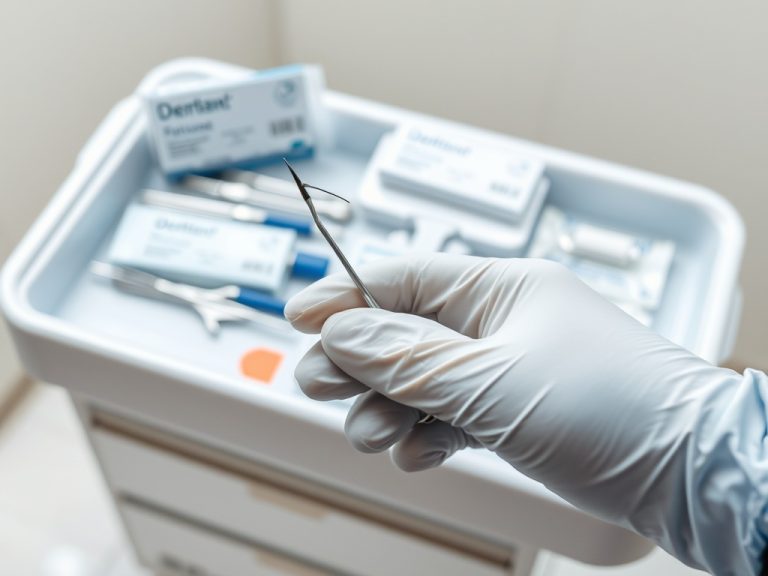
A first visit after a long absence should include a comprehensive oral exam, periodontal probing (to check gum pocket depths), and a full set of X-rays. These three together give the dentist and hygienist a complete picture from which to build a treatment plan. A cleaning on the same day may or may not be possible depending on what the exam finds.
Step 3 — Improve Home Care Before You Go (But Don't Delay Over It)
Brushing twice daily with a fluoride toothpaste and flossing once a day for the two weeks before your appointment improves your gum condition slightly and establishes a habit. It does not erase years of buildup — that is what the professional cleaning is for — but it signals to your periodontium that you are back in a maintenance mode. Do not postpone making the appointment because your home care hasn't been perfect.
For a detailed breakdown of which toothpaste formulations work best for remineralizing enamel, see our comparison of fluoride toothpaste vs hydroxyapatite toothpaste.
Step 4 — Expect a Phased Treatment Plan
If findings require multiple procedures — say, two fillings, a deep cleaning, and a crown — the dentist will typically prioritize by urgency. Infections and acute pain come first. Active decay comes next. Cosmetic or elective work comes last. You do not need to complete everything at once, and a good practice will not pressure you to do so.
What the Dentist Is Likely to Find
After a gap of three or more years, the most common findings are:
- Calculus (tartar) buildup: Mineralized plaque that cannot be removed by brushing, particularly along the gumline and between back teeth.
- Gingivitis or early periodontitis: Gum inflammation ranging from reversible (gingivitis) to the more progressive bone-affecting stage (periodontitis). The American Academy of Periodontology notes that nearly half of adults over 30 have some degree of periodontal disease.
- Cavities: Often found between teeth where flossing gaps exist, and on chewing surfaces. Small cavities fill in one visit; larger ones may need a crown.
- Cracked or worn enamel: Especially in people who grind their teeth at night or who consume acidic beverages frequently.
When to Seek Urgent Care Instead of a Routine Appointment
Book a routine exam if you have no current pain, swelling, or visible damage. Schedule an urgent or same-day visit — or go to an emergency dental clinic — if you experience any of the following:
- Toothache that is severe, throbbing, or worsens when lying down
- Visible swelling in the jaw, cheek, or gum
- A tooth that has been knocked out or is cracked and painful
- Bleeding that does not stop after applying pressure for 20 minutes
Swelling in the jaw can indicate a dental abscess, which may spread to surrounding tissues without prompt treatment. Do not wait for a standard appointment in that scenario.
Frequency After You've Re-Established Care
Once treatment is complete, most adults do well with biannual cleanings. People with a history of gum disease, high cavity risk, or dry mouth caused by medication may be recommended three or four visits per year by their dentist. Your actual frequency should follow your dentist's clinical recommendation rather than a default schedule.
On the topic of how environmental factors affect oral health between visits, the article on mouth breathing and oral health covers how this common habit can accelerate dry mouth and enamel erosion in ways that change your cleaning schedule needs.
Making the Financial Side Manageable
If cost is a barrier, ask about:
- In-house membership or discount plans (many practices offer these to uninsured patients)
- Phased treatment — completing the most urgent work now and the rest over several months
- Dental schools, which provide supervised care at significantly reduced rates
- Community health centers, which charge on a sliding-scale fee model
The American Dental Association's Find-A-Dentist tool allows you to filter by office features, and many listings include insurance-acceptance information.
Your Immediate Next Action
Pick up the phone or use an online booking portal today. Tell the practice how long it has been. Ask for a comprehensive new-patient exam. That single call restarts the care cycle — and the findings, whatever they are, will be clearer and more treatable tomorrow than they will be a year from now.