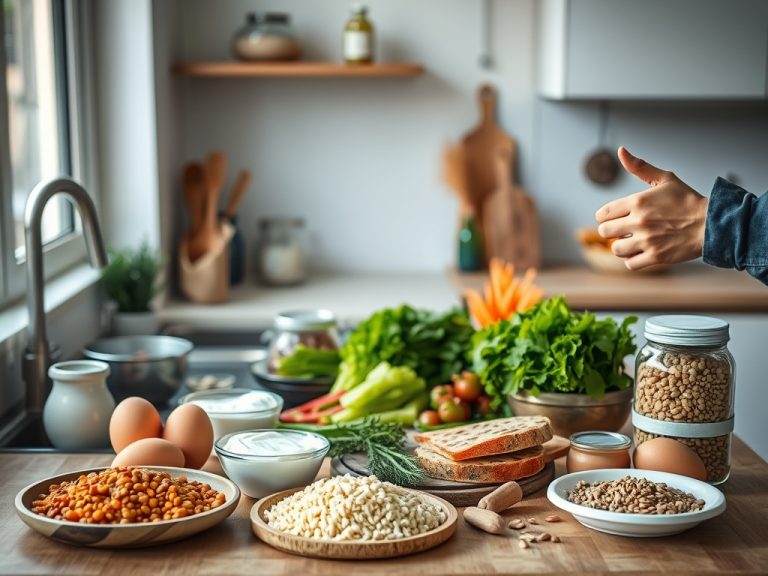
The most useful foods for appetite control are those that make a reduced-calorie eating pattern satisfying enough to repeat. In practice, that often means meals combining protein, fiber-rich carbohydrates, vegetables or fruit, some fat, and enough food volume, rather than relying on one supposed “hunger-blocking” ingredient.
TL;DR: Prioritize minimally processed protein foods, beans and lentils, vegetables, whole fruit, whole grains, and other high-fiber choices. Build complete meals, eat on a schedule that suits you, and judge foods by how they affect hunger and adherence across the day. Appetite is individual, so no food can guarantee effortless weight loss.
Appetite Control Is Not the Same as Eliminating Hunger
Hunger is a normal biological signal. Weight-loss plans often fail when they treat any hunger as weakness or expect one food to suppress appetite indefinitely. The more realistic aim is to reduce extreme swings, make portions satisfying, and create meals that support a sustainable energy intake.
Appetite is influenced by sleep, stress, medications, activity, menstrual cycle, food availability, habits, and health conditions as well as meal composition. That is why identical menus can feel different to different people.
The National Institute of Diabetes and Digestive and Kidney Diseases recommends a maintainable eating pattern built from vegetables, whole fruits, whole grains, dairy or alternatives, and varied protein foods in its guidance on eating and physical activity for weight management. The pattern matters more than a single “best” item.
Four Food Features That Often Improve Staying Power
Protein Gives the Meal an Anchor
Eggs, dairy foods, fish, poultry, lean meat, tofu, tempeh, beans, lentils, peas, nuts, and seeds can contribute protein. Many people find a meal more satisfying when a clear protein source is present, though the amount and source should reflect personal needs.
If supplements are not desired, the guide to increasing protein intake with ordinary foods offers practical meal-level changes without treating powders as necessary.
Fiber-Rich Foods Slow the Pace of Eating
Vegetables, whole fruit, beans, lentils, and intact whole grains require chewing and often add bulk. Fiber also supports digestive health. Increase it gradually and drink fluids according to thirst and medical guidance, especially if current intake is low.
On packaged foods, the FDA explains how to use Percent Daily Value: 5% DV or less per serving is considered low, while 20% DV or more is considered high. That label comparison can help distinguish genuinely higher-fiber choices from marketing language.
Water-Rich Foods Add Volume
Soups, vegetables, whole fruit, stews, and yogurt-based meals can provide a larger portion for a given energy level than many dry, highly concentrated snack foods. Volume is not automatically better, and liquids do not satisfy everyone in the same way. Use the idea to build a substantial plate, not to consume unlimited “free” food.
Some Fat Supports Flavor and Satisfaction
Nuts, seeds, avocado, olive oil, fish, dairy, and other foods containing fat can make meals enjoyable. Fat is energy-dense, so appetite control depends on an appropriate amount rather than removing it completely or adding it without attention to portions.

A Practical Food Comparison
| Food Pattern | Why It May Help | Limitation to Notice |
|---|---|---|
| Yogurt with fruit and seeds | Protein, texture, fiber, convenient | Added sugar and portion vary by product |
| Lentil or bean soup with vegetables | Protein, fiber, water-rich volume | Sodium may be high in packaged soup |
| Eggs or tofu with vegetables and whole-grain toast | Protein plus a structured meal | Cooking method and added fats change totals |
| Fish, poultry, tofu, or beans with vegetables and grain | Balanced plate with clear anchors | Restaurant sauces and portions can be hard to estimate |
| Whole fruit with nuts or dairy | Portable mix of fiber and protein or fat | Nuts are energy-dense; dried fruit is less bulky |
The point is not to rank foods universally. It is to combine features that make the next few hours manageable.
Build the Plate in a Useful Order
First choose a protein anchor. Add vegetables or fruit and a fiber-rich carbohydrate such as beans, lentils, oats, brown rice, barley, potatoes with skin, or whole-grain bread. Include a measured source of fat where it improves taste and satisfaction. Then adjust the portion based on hunger, goals, activity, and progress over time.
This structure can be applied to many cuisines. A lentil curry with vegetables and rice, fish with potatoes and salad, tofu with vegetables and noodles, or eggs with beans and tortillas can all follow the same logic. Cultural fit improves the chance that the meal becomes routine.
Meal Timing Is a Personal Experiment, Not a Rule
Some people prefer three meals, others benefit from a planned snack, and some feel better with a different schedule. The useful schedule prevents arriving at meals so hungry that deliberate choices become difficult. It should also fit work, sleep, training, and medication needs.
Skipping breakfast is not automatically harmful or helpful for weight loss. Eating late is not automatically the cause of weight gain. What matters is how the timing affects total intake, hunger, sleep, and adherence for the individual.
A weekly health and fitness review can separate one unusual day from a consistent pattern. Review average hunger, meal satisfaction, and plan adherence rather than assigning moral labels to foods.
Foods and Habits That Can Quietly Work Against Satisfaction
Highly palatable snack foods are easy to eat quickly and may provide little protein, fiber, or volume for their energy. Sugary drinks add energy without the chewing and structure of a meal. Alcohol can also affect judgment, sleep, and food choices. This does not mean these items must be banned, but relying on them while trying to manage hunger can make the plan harder.
Extreme restriction creates another problem. Removing entire food groups without a medical, ethical, or preference-based reason can reduce flexibility and increase preoccupation with food. A plan that works only under perfect conditions is not robust.
Test Meals Like Small Experiments
For one week, rate hunger just before a meal and about two or three hours afterward using a simple personal scale. Note the meal’s main components and any unusual sleep, stress, or activity. The numbers are subjective, but repeated observations can show which breakfasts, lunches, or snacks provide better staying power.
Do not react to a single rating. Look for patterns across several similar meals. If a meal leaves you hungry quickly, first ask whether it included enough total food, protein, and fiber. Then adjust one element and test again.
The article on the fat-burning zone explains why exercise-machine estimates should not dictate eating. Fuel use during one workout does not provide an exact allowance or define the day’s appetite needs.
When Appetite Deserves Clinical Attention
Persistent extreme hunger, unexplained appetite loss, binge-eating episodes, rapid unplanned weight change, or symptoms linked to medication or a health condition warrant professional support. A registered dietitian can help tailor food choices, while a physician or mental health professional may be appropriate depending on the concern. Weight-loss advice should not replace eating-disorder care.
Make the Next Grocery Trip Easier
Choose two protein anchors, two high-fiber carbohydrate options, several vegetables or fruits, and one or two satisfying fats that fit your budget and cuisine. Plan three mix-and-match meals instead of searching for a perfect appetite-suppressing food.
The best appetite-control foods are the ones that help you build complete, enjoyable meals and stay consistent without escalating restriction. Start by improving the meal that most often leaves you searching for food soon afterward.