Fillings, crowns, and bonding can each last many years — but lifespan varies significantly by material, placement, and how well you maintain them. Here are the answers to the questions patients ask most.
Key Takeaways
- Amalgam fillings typically last 10–15+ years; composite resin fillings average 7–10 years but have improved with newer materials.
- Porcelain-fused-to-metal and all-ceramic crowns commonly last 10–15 years or longer with good oral hygiene.
- Dental bonding (composite resin on front teeth) typically lasts 4–8 years before it may need touch-up or replacement.
- Grinding, acidic diet, and poor oral hygiene are the main factors that shorten restoration lifespan.
- None of these restorations are permanent; they will eventually need repair or replacement.
Fillings: What Affects How Long They Last
Amalgam Fillings
Silver-colored amalgam fillings have been placed for over 150 years and have a well-documented durability track record. The American Dental Association notes that amalgam fillings commonly last 10 to 15 years or longer. They are particularly durable in back teeth that bear heavy chewing forces.
Composite (Tooth-Colored) Fillings
Composite resin fillings bond directly to tooth structure and match tooth color, making them the preferred aesthetic choice. Early composite materials had a shorter lifespan, but formulations have improved substantially. Current composite fillings typically last 7–10 years in clinical studies, and some last considerably longer with good care. They are slightly more vulnerable to wear on high-stress chewing surfaces than amalgam.
| Restoration | Average Lifespan | Best For | Shortening Factors |
|---|---|---|---|
| Amalgam filling | 10–15+ years | Back teeth, high-load areas | Cracks, recurrent decay |
| Composite filling | 7–10 years | Front and back teeth (aesthetic) | Grinding, acidic diet, heavy biting |
| Porcelain crown | 10–15+ years | Heavily damaged or root-canal teeth | Poor fit, inadequate hygiene |
| PFM crown | 10–15+ years | Back teeth needing strength | Porcelain chipping, bruxism |
| Dental bonding | 4–8 years | Minor chips, gaps, discoloration | Staining, trauma, grinding |
If you're weighing restorative options against longer-term dental investments, the article on questions to ask at a dental implant consultation covers how permanent replacements differ from repeated restoration of the same tooth.
Crowns: Lifespan by Type
A crown covers the entire visible portion of a tooth, usually placed after a root canal, a large cavity, or a cracked tooth. Crown lifespan depends heavily on where the crown is placed, what it is made of, and how well the gum tissue around it is maintained.
- All-ceramic crowns: Preferred for front teeth because of superior aesthetics. Modern zirconia crowns are strong enough for posterior use as well. Typical lifespan: 10–15 years or more with regular hygiene.
- Porcelain-fused-to-metal (PFM): Metal coping with porcelain layered over it. Strong but may show a gray line at the gumline as gums recede with age. Typical lifespan: 10–15 years; the metal core can last longer.
- Gold crowns: Rarely used for aesthetic reasons but extremely durable and require minimal tooth removal. Can last 20+ years. Occasionally recommended by dentists for back molars in people who grind.
A loose crown, sensitivity when biting, or a dark line at the gumline are signs the crown may need to be replaced or recemented. These are not emergencies in most cases, but you should schedule a prompt — not urgent — appointment rather than waiting months.
Dental Bonding: Managing Expectations
Composite bonding is applied directly to the tooth and shaped by hand — no lab involved, which makes it faster and more affordable than veneers or crowns. The trade-off is longevity: bonding material is softer than porcelain and more susceptible to staining from coffee, tea, and red wine, as well as chipping if you bite hard objects.
Most bonded restorations last 4–8 years before they need some degree of touch-up or replacement. This is not a failure — bonding is intentionally designed as a reversible, lower-investment option. If you are considering bonding for cosmetic reasons, setting accurate expectations with your dentist at the outset saves disappointment later.
Habits That Shorten Restoration Lifespan
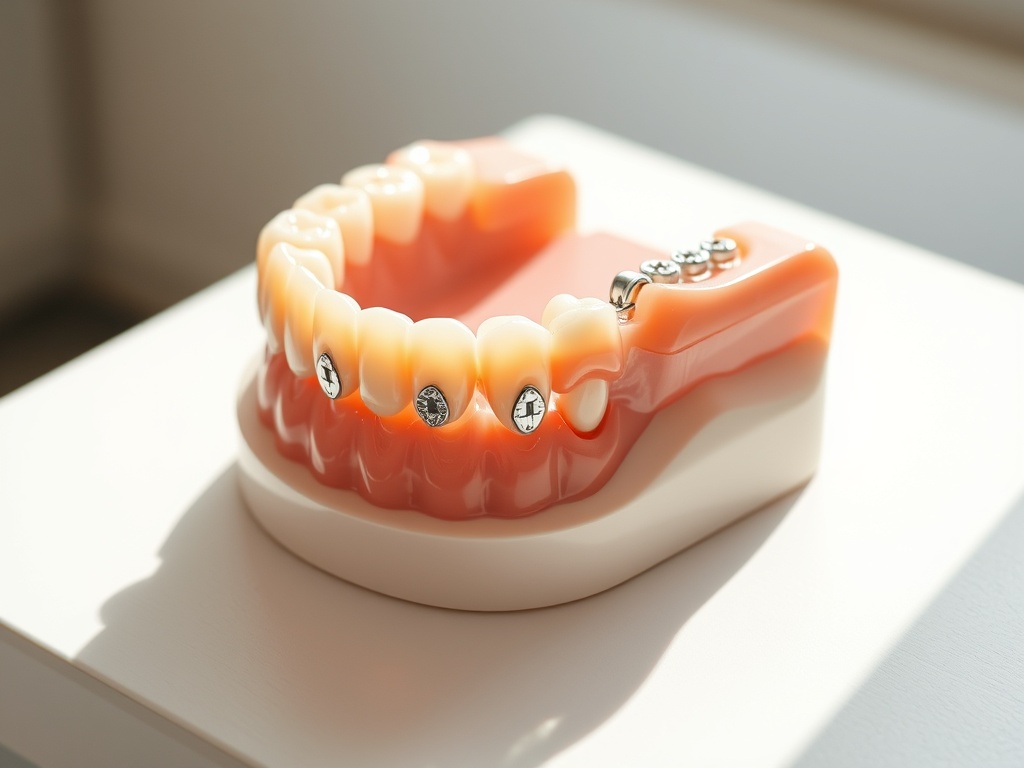
- Grinding or clenching (bruxism) — a nightguard can protect restorations significantly
- Frequent acidic beverage consumption — erodes surrounding enamel and softens composite
- Using teeth as tools — opening packages, biting nails, chewing ice
- Irregular dental cleaning — tartar buildup at crown margins leads to recurrent decay
- Smoking — increases periodontal disease progression around crown margins
Watch and Wait vs. Schedule Promptly
You can monitor (and mention at your next regular visit) a slight sensitivity that began recently with no other symptoms, minor discoloration at the edge of older bonding, or a filling you know is aging but is causing no issues.
Schedule a prompt appointment — within a week or two — for sensitivity to biting pressure, a noticeable crack or chip in a restoration, a crown that feels loose when you press on it, or a restoration that has visibly fallen out. In the last case, keep the piece if you can — your dentist may be able to re-cement it.
If a restoration failure leads to tooth pain that intensifies or spreads to your jaw, that can indicate pulp involvement and should be evaluated urgently. For guidance on what those costs can look like without insurance, the article on emergency dental costs without insurance provides a practical overview.
Keeping Restorations Lasting as Long as Possible
Brush twice daily with a soft-bristle brush, floss daily, and attend your recommended cleaning schedule — typically every six months, or more frequently if your dentist advises. If you grind, ask about a custom nightguard. Avoid habits that put lateral force on teeth. These steps don't guarantee a restoration will reach its maximum lifespan, but they are the best evidence-based levers you have.
For those considering sales tactics you may encounter at dental offices when discussing restorations, the article on red flags in high-pressure dental treatment sales helps you identify when urgency is clinically appropriate versus commercially motivated.