Tooth movement after orthodontics is common and, in most cases, manageable. The cause and the degree of shifting determine which options your dentist or orthodontist may recommend.
Key Takeaways
- Post-orthodontic shifting most often results from inconsistent retainer wear or loss of a retainer.
- Minor shifting can sometimes be addressed with a new or revised retainer; more significant movement may require orthodontic retreatment.
- Natural age-related tooth movement continues throughout life regardless of orthodontic history.
- Early action costs less and is more predictable than waiting until shifting becomes significant.
- A dentist or orthodontist can assess whether shifting is stable, progressive, or requiring intervention.
Why Teeth Move After Orthodontic Treatment
Orthodontic treatment moves teeth by applying force to bone — the surrounding alveolar bone remodels to accommodate the new position. But the fibers that hold teeth in their sockets (the periodontal ligament) retain a 'memory' of the original tooth position for some time. Without a retainer to hold the new position during the consolidation period, teeth tend to drift back toward where they started.
The most common cause of post-treatment shifting is inadequate retainer wear. Other contributing factors include:
- Loss or breakage of the retainer without prompt replacement
- Third molar (wisdom tooth) eruption pushing adjacent teeth forward
- Gum disease causing bone loss that destabilizes tooth position
- Natural age-related changes in jaw size and tooth spacing that occur in everyone over decades
- Tongue posture and swallowing habits that exert pressure on teeth
Assessing the Degree of Shifting
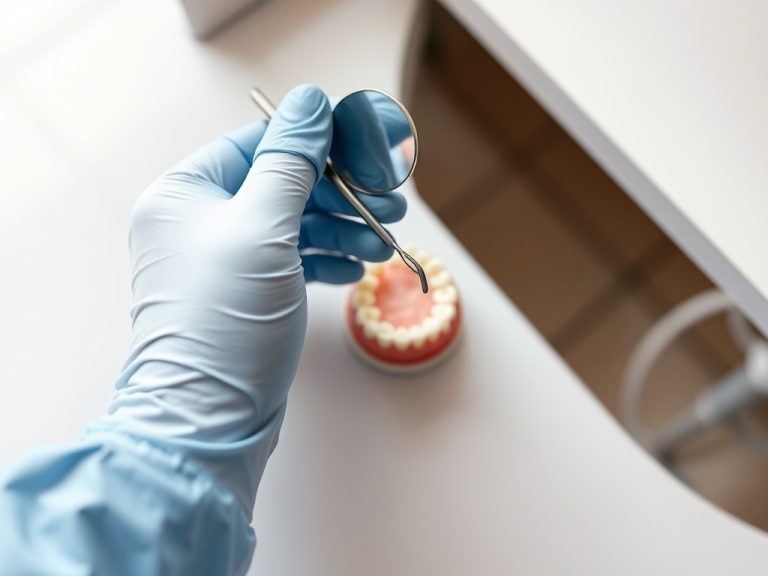
Not all shifting is equal. A small gap that has opened between front teeth over several years is different from significant crowding relapse or a bite change. The first step is an appointment with your orthodontist or general dentist to:
- Compare current photos or study models against your original end-of-treatment records (if available)
- Assess whether the shift is stable or actively progressing
- Rule out underlying causes such as gum disease or an unerupted wisdom tooth
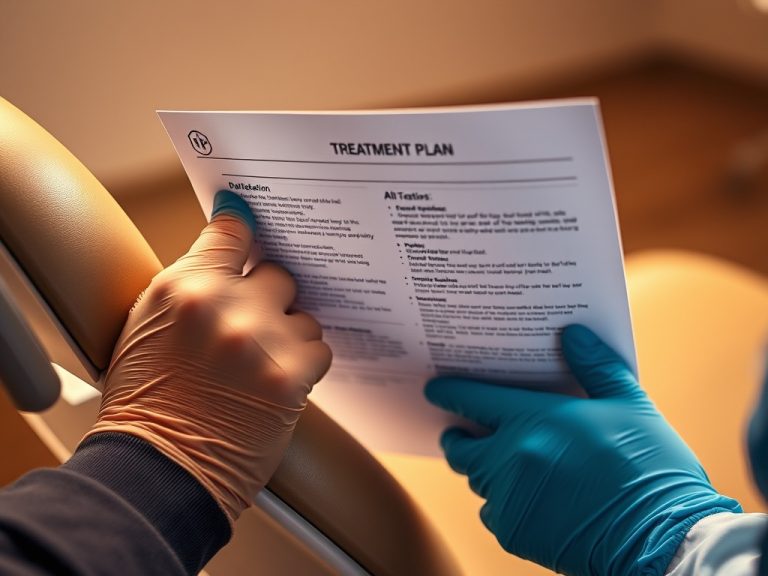
- Discuss which intervention — if any — is appropriate
Do not attempt to seat an old retainer that no longer fits over shifted teeth. Forcing it can damage teeth, roots, or the retainer itself.

Short-Term Options: Retainer Adjustments
For minor shifting caught relatively early:
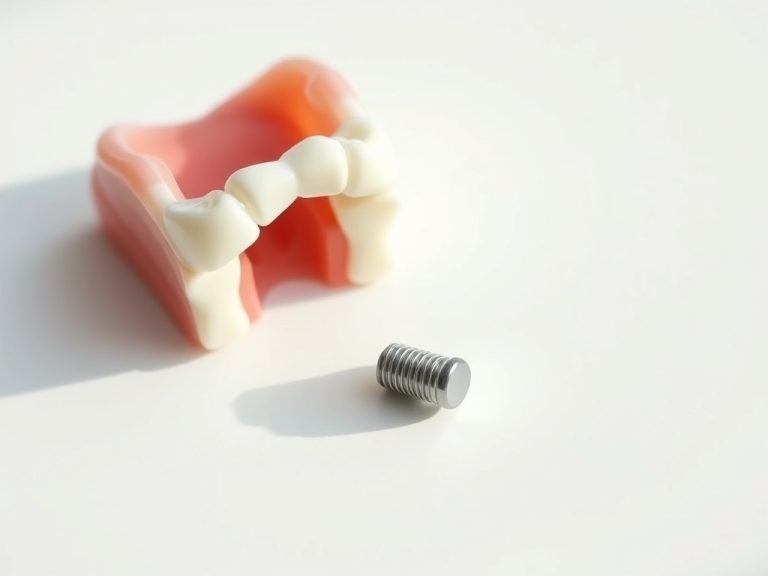
- New retainer fabrication: A dentist or orthodontist can take new impressions and make a retainer for your current tooth position. This stabilizes where your teeth are now but does not correct the relapse.
- Revised Essix (clear) retainer: If the movement is very slight, a new clear retainer can sometimes guide teeth back to near their end-of-treatment position — but this depends on the degree of movement and should only be attempted under professional supervision, not with over-the-counter aligners purchased without an examination.
Over-the-counter aligner kits without an in-person exam carry risk. Without X-rays and periodontal assessment, it is not possible to know whether the roots, bone levels, or bite can safely tolerate force application.
When Orthodontic Retreatment Is Needed
Significant relapse — crowding comparable to pre-treatment, a changed bite, or flaring of front teeth — typically requires orthodontic retreatment. Options a dentist or orthodontist may discuss include:
- Clear aligner therapy (Invisalign or similar): Suitable for mild to moderate relapse in motivated patients who will wear the aligners as directed.
- Fixed braces: More predictable for complex bite correction or significant movement; may be preferred by an orthodontist for larger corrections.
- Limited treatment: Some practices offer shorter aligner courses targeting only the relapsed segment rather than comprehensive retreatment.
Warning Signs That Shifting Needs Prompt Attention
Schedule a prompt orthodontic or dental consultation — within two to four weeks — if you notice:
- A bite change (teeth meeting differently than before)
- Difficulty closing your lips comfortably over your front teeth
- A retainer that was fitting last year but now will not seat at all
- Pain when biting, which may indicate a bite interference
See a dentist within a week if the shifting is accompanied by gum swelling, bleeding, loose teeth, or rapid change. These may indicate periodontal disease progressing alongside the movement — a separate problem requiring treatment before orthodontic forces are applied.
Protecting Long-Term Stability
The most reliable prevention for future relapse is consistent retainer wear. Most orthodontists currently recommend wearing a retainer at night indefinitely — not just for the first two years after treatment. If your original retainer is lost or damaged, replace it promptly rather than waiting to see if shifting occurs.
Retainer hygiene matters too. A retainer that is not cleaned can harbor bacteria that irritate gum tissue and contribute to the same conditions — gum inflammation and bone loss — that make teeth less stable. For context on how home care products interact with overall oral health, see the comparison of fluoride toothpaste vs hydroxyapatite toothpaste to understand remineralization options that protect enamel during treatment phases.
For patients unsure whether their dentist's recommendation to pursue expensive retreatment is appropriate, the guide on red flags in high-pressure dental treatment sales can help distinguish urgency based on clinical evidence from pressure to act quickly based on financial incentives.
Your Next Step
Book an orthodontic or general dentistry appointment to assess current tooth position. Bring any before-and-after photos from your original treatment if you have them. The earlier you act, the more options remain available — and the simpler most of them tend to be.