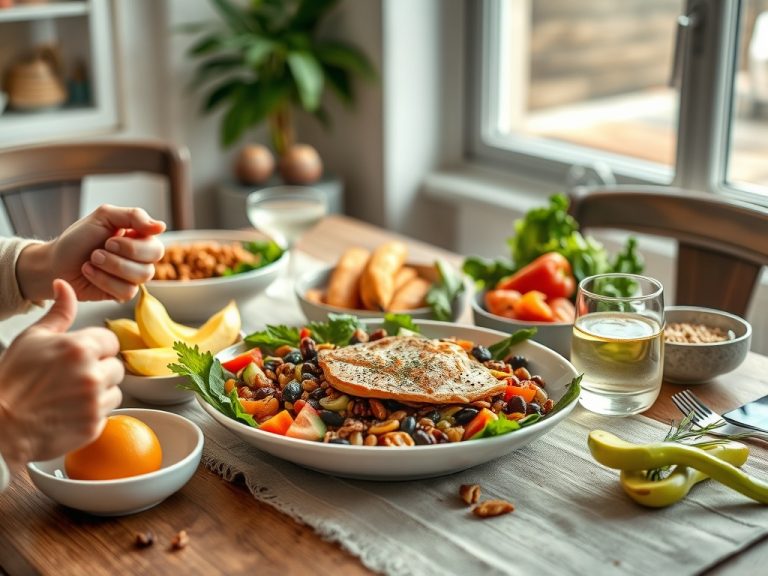
You can increase protein intake without powders or bars by measuring what you already eat, adding a protein-rich food to meals that lack one, and distributing those foods across the day. Supplements are convenient, but they are not required for a nutritionally adequate high-protein eating pattern.
TL;DR: Start with normal meals. Identify the meal with the least protein, add a practical whole-food anchor, use labels or a nutrient database for approximate amounts, and adjust for your health needs. Variety matters because protein foods also differ in fiber, saturated fat, sodium, vitamins, minerals, cost, and convenience.
Start With a Target That Actually Belongs to You
Protein needs are not identical for every person. Body size, age, training, pregnancy, illness, kidney function, total energy intake, and clinical goals can change what is appropriate. The FDA’s Daily Value for protein is 50 grams for nutrition labeling, but that is a general reference for comparing packaged foods, not a personalized prescription.
If you have kidney disease, a metabolic condition, significant digestive symptoms, or a medically prescribed diet, ask a qualified clinician or registered dietitian before making a large change. Everyone else can begin with a simple food record and use an established dietary reference or professional guidance if a precise target is needed.
Audit Meals Before Buying Anything New
Write down two or three typical days without trying to improve them. Note the main protein source at breakfast, lunch, dinner, and snacks. Estimate amounts using food labels or USDA FoodData Central rather than relying on memory.
The pattern is often more revealing than the total. Dinner may already contain a substantial portion, while breakfast is mostly refined carbohydrate and snacks contain little protein. In that case, adding more dinner meat is less useful than strengthening the earlier meals.
Build Each Meal Around a Protein Anchor
A protein anchor is a recognizable food that contributes meaningful protein and fits the meal. Options include eggs, dairy foods, fish, poultry, lean meat, tofu, tempeh, beans, lentils, peas, soy foods, nuts, and seeds. Choose among them based on budget, culture, preferences, allergies, and the rest of the eating pattern.
Examples of practical swaps include:
- Add eggs, Greek-style yogurt, cottage cheese, tofu, or leftover beans to breakfast.
- Add lentils, chickpeas, fish, poultry, tofu, or lean meat to a grain-and-vegetable lunch.
- Pair fruit with yogurt, milk, soy beverage, nuts, seeds, or a bean-based dip.
- Increase the bean or lentil portion in soups, curries, salads, and grain bowls.
These are options, not claims that one food is best. A balanced plan also considers fiber-rich plants and overall dietary variety.

Distribute Intake Instead of Saving It All for Dinner
Spreading protein-containing foods across meals can make the target easier to reach and may support training recovery by providing repeated opportunities for muscle protein synthesis. The exact distribution does not need to be perfect. A useful first step is simply avoiding meals that contain almost none when protein intake is a stated goal.
This is also a planning problem. Prepare two or three flexible ingredients, such as cooked lentils, eggs, baked tofu, roasted chicken, or plain yogurt, so a protein anchor can be added without cooking a separate recipe every time.
If strength progress is the reason for increasing protein, review the larger training picture in how to break through a strength plateau. Protein cannot compensate for inconsistent training, inadequate recovery, or a program that does not progress.
Use a Food-First Comparison
| Food Category | Useful Qualities | Points to Check |
|---|---|---|
| Beans, peas, lentils | Protein, fiber, flexible in mixed dishes | Increase gradually if fiber causes discomfort |
| Eggs and dairy | Convenient, widely usable in meals | Allergies, lactose tolerance, saturated fat, sodium |
| Fish, poultry, lean meat | Concentrated protein | Preparation method, cost, sodium in processed options |
| Tofu, tempeh, soy foods | Versatile plant-based choices | Seasoning and preparation affect acceptance |
| Nuts and seeds | Portable, nutrient-dense | Energy-dense portions; may not be the main anchor alone |
No single row needs to carry the entire diet. Combining categories across the week improves variety and makes the plan less fragile.
A Whole-Food Day Without Protein Math at Every Bite
A simple day might use eggs or yogurt with breakfast; a lentil, tofu, tuna, chicken, or bean-based bowl at lunch; fruit with dairy, soy food, nuts, or seeds as a snack; and a dinner built around fish, lean meat, tofu, beans, or lentils with vegetables and a grain or starchy food.
Portions must be adjusted to the person. The goal of this example is structural: each eating occasion has an obvious anchor. Check actual packages and the USDA database for amounts because recipes, brands, and serving sizes vary.
For people managing hunger during an energy deficit, foods for appetite control during weight loss explains how protein can work alongside fiber, food volume, and meal regularity. Protein is one tool, not a guarantee that hunger disappears.
Myths That Make Food-First Protein Seem Harder
Myth: Every meal needs meat. Beans, lentils, soy foods, dairy, eggs, nuts, and seeds can contribute. Plant-based plans may need more deliberate variety and quantity, but meat is not the only route.
Myth: A food must be a “complete protein” at each sitting. Eating a varied diet across the day is generally more practical than trying to create a perfect amino-acid combination at every meal.
Myth: More protein always produces more muscle. Resistance training provides the stimulus. Adequate energy, sleep, program design, and time also matter. Intake beyond what the body needs does not create unlimited growth.
Myth: A shake is automatically healthier than a meal. A supplement may be convenient, but its value depends on need, ingredients, tolerance, and what it replaces. Whole foods can provide protein plus other nutrients and eating satisfaction.
Watch the Tradeoffs Around the Protein Source
Increasing protein by relying heavily on processed meats, high-sodium packaged foods, or foods high in saturated fat may shift other nutritional factors in an unwanted direction. Read labels, vary sources, and keep vegetables, fruits, whole grains, and other fiber-rich foods in the pattern.
Cost is another constraint. Dried or canned beans, lentils, eggs, larger containers of plain yogurt, canned fish, and family-size tofu can be economical in many markets, but prices vary. Choose foods you can store and use before they spoil.
The beginner-friendly workout program guide is useful if higher protein is being considered for a new routine. Match nutrition changes to the actual training dose instead of assuming every exercise plan requires an athlete-style diet.
Make One Meal Better This Week
Review the food record, choose the meal with the clearest gap, and add one protein anchor you already enjoy. Repeat it for a week, then reassess total intake, hunger, digestion, cost, and meal satisfaction. If the target remains difficult or health considerations complicate the choice, consult a registered dietitian.
Food-first protein works best as a repeatable meal structure, not a collection of special products. Begin with the weakest meal and build from there.