
A gala or cultural dinner format should be chosen around purpose, audience expectations, budget, accessibility, and the desired guest journey. The label matters less than the decisions it triggers for program flow, seating, fundraising, food service, and venue operations.
Quick Take for Gala Event Format
- A gala or cultural dinner format should be chosen around purpose, audience expectations, budget, accessibility, and the desired guest journey. The label matters less than the decisions it triggers for program flow, seating, fundraising, food service, and venue operations.
- Confirm official event details, ticket terms, venue rules, and accessibility requirements before publicizing final information. Keep assumptions labeled until they are verified.
What the format choice really controls
Beginners often treat gala, dinner, reception, and cultural experience as interchangeable labels. In event planning, the format sets the structure of the evening. It affects arrival timing, guest movement, ticket tiers, program length, sponsor visibility, catering style, stage needs, accessibility routes, and staffing. A seated gala with awards requires a different operating plan than a roaming cultural tasting or a community heritage night.
The safest starting question is not “What sounds impressive?” It is “What must guests be able to do during the event?” If the answer is donate, network, honor community leaders, learn about a tradition, or celebrate a milestone, the format should support that behavior without forcing guests through awkward transitions.
Common formats and best-fit decisions
A formal gala usually works when the event has clear hosts, recognized honorees, sponsors, a fundraising goal, or a ceremonial program. A dinner format may be better for relationship-building, stakeholder appreciation, or civic conversation where seated discussion matters. A cultural experience can be stronger when food, performance, exhibit design, storytelling, or local identity is central to the guest value.
No format is automatically better. A high-production gala can feel cold if the audience wants community connection. A casual dinner can feel underbuilt if sponsors expected stage recognition. A cultural program can drift if the team has not planned timing, crowd flow, and interpretation. The decision is subjective, but the operational impact is measurable.
Build the guest journey before the budget
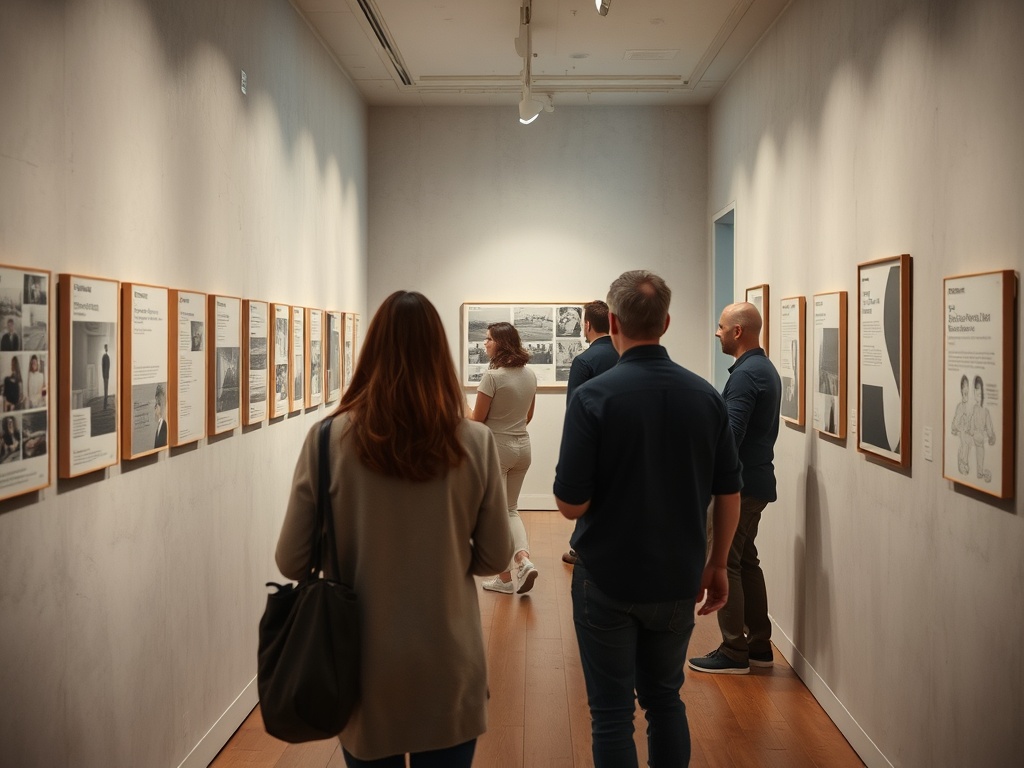
Before comparing venues, sketch the first 20 minutes, the main program, and the final 15 minutes. This reveals whether guests need assigned seats, cocktail space, sponsor displays, interpreter access, coat check, ride-share zones, or a quiet room. The internal guide on productive venue site visits can help teams test these ideas before signing contracts.
A practical beginner framework includes arrival, welcome, social period, meal or stations, program, recognition, participation moment, and departure. Each phase needs an owner. For example, fundraising staff may own the pledge moment, while operations owns food timing and guest services owns accessibility requests.
Budget and pricing signals beginners miss
Format choices create hidden cost differences. Seated dinners may require more servers, rentals, place cards, printed menus, and run-of-show discipline. Roaming cultural experiences may require more signage, security posts, waste planning, and crowd management. A sponsor-heavy gala may need stronger production quality because brand visibility is part of the value.
When paid registration is involved, connect format planning with the ticket pricing checklist before publishing. Guests should understand what the ticket includes, which parts are subject to availability, and whether access varies by ticket level. Do not imply guaranteed access to every reception, tasting, or VIP area unless organizers have confirmed the terms.
Accessibility and sustainability belong in the first draft
Accessibility should not be handled after the floor plan is finished. Temporary events may need attention to accessible routes, seating, restrooms, service counters, communication access, and emergency procedures. The ADA National Network resource on temporary events gives planners a reliable starting point for questions to ask before the event is marketed.
Sustainability is also part of format selection. The Events Industry Council explains that its Sustainable Event Standards assess events and suppliers across environmental and social responsibility criteria. For beginners, that can translate into simpler early questions: How much food waste might this format create? Can materials be reused? Are transportation and venue choices reasonable for the audience?
Beginner documents worth creating first
Create a one-page format brief, a draft run of show, a guest journey map, and a risk list before asking vendors for detailed proposals. These documents reduce vague conversations and help suppliers price the event more accurately. They also make it easier for leadership to understand tradeoffs.
The format brief should say what the event is, who it serves, what guests should feel and do, what the program must include, what must not happen, and which decisions are still open. This is enough to start productive conversations without pretending every detail is finished.
Format comparison for early planning
| Format | Best suited for | Watch closely |
|---|---|---|
| Formal gala | Fundraising, awards, sponsor recognition | Production costs, seating, program pacing |
| Seated dinner | Stakeholder relations, civic discussion, appreciation | Table mix, meal timing, acoustics |
| Cultural experience | Community identity, heritage, arts, education | Interpretation, crowd flow, authenticity, accessibility |
| Reception | Networking, launches, donor cultivation | Food quantity, arrival flow, noise levels |
How to brief leadership on the format choice
Leadership usually needs a plain explanation of why a format was chosen and what tradeoffs come with it. Keep the brief focused on purpose, audience fit, cost drivers, guest flow, accessibility considerations, and the decisions still pending. This avoids a vague debate over taste and turns the conversation toward practical approval points.
A good brief also names what the format will not do. A formal gala may not create relaxed networking. A roaming cultural experience may not support a long seated program. Saying this early helps the team protect the event from last-minute additions that work against the original guest journey.
A confident first format decision
Choose the simplest format that can deliver the event’s purpose with dignity, clarity, and realistic staffing. Then check that choice against your audience personas, venue constraints, ticket plan, and accessibility needs. For more audience fit work, review how poor sign-ups often improve when teams fix audience personas first.
Events content is for informational and educational purposes only and does not constitute professional legal, financial, travel, immigration, or contractual advice. Always verify details with official event organizers, venues, ticketing partners, and local authorities before making commitments.