You may need an alignment after hitting a pothole if the vehicle pulls to one side, the steering wheel is crooked when driving straight, the tires begin wearing unevenly, or new vibration, clunking, or instability appears. A hard impact can also damage tires, wheels, steering, and suspension parts, so alignment is only one part of the inspection and not always the first repair.
Pothole-impact snapshot: Pulling, crooked steering, uneven tire wear, vibration, visible wheel damage, or sidewall bulges are signs to stop guessing and schedule an inspection. If the tire is losing air or the car feels unsafe, do not keep driving.
First, separate alignment from damage
An alignment adjusts suspension angles so the tires meet the road correctly. It does not repair bent wheels, broken control arms, damaged struts, separated tire belts, or loose steering parts. After a pothole, a shop should inspect the tire and wheel condition before assuming an alignment alone will fix the symptom.
Consumer Reports' pothole guidance lists warning signs such as sidewall bulges, steering-wheel vibration, pulling, and rim damage. It also notes that tires, wheels, and suspension are all at risk after a direct hit. That is why a pothole inspection should be broad enough to catch hidden damage before the vehicle returns to highway speeds.
The four signs drivers notice most
| Driver symptom | What it may suggest | What to do next |
|---|---|---|
| Vehicle pulls left or right | Alignment shift, tire damage, brake issue, or suspension damage | Check tire pressure, then inspect |
| Steering wheel is off-center | Alignment angle changed or steering component shifted | Schedule alignment and suspension check |
| New vibration | Bent wheel, tire damage, balance issue, or alignment concern | Avoid highway speeds until checked |
| Uneven tire wear later | Toe, camber, pressure, or worn component issue | Inspect before the tire is ruined |
AAA's alignment explainer notes that potholes, rough roads, and curbs can throw off wheel alignment and that pulling, crooked steering, uneven tire wear, and vibration are warning signs.
Pulling is not always alignment
A pull after a pothole is a strong reason to inspect the car, but the cause can vary. One tire may have lost pressure. A wheel may be bent. A brake caliper may be dragging. A suspension arm may be damaged. Road crown and wind can also affect feel, so the key is whether the pull is new, consistent, and present on a flat road.
Before driving far, check tire pressure when safe and look for sidewall bulges, cuts, rim dents, and obvious lean at the wheel. If anything looks damaged, do not treat it as a routine alignment appointment. Tire structure and wheel integrity come first.
A crooked steering wheel means the car's geometry changed
If the steering wheel no longer sits straight while the vehicle tracks ahead, an alignment angle may have changed. This often involves toe, which can wear tires quickly if ignored. A crooked wheel can also indicate a shifted or bent component, especially after a severe impact.
Alignment machines measure angles, but a responsible shop will not simply adjust around damaged parts. If a control arm, tie rod, strut, wheel bearing, or subframe area is bent or loose, those issues need repair before final alignment.
Vibration may point to balance or tire damage
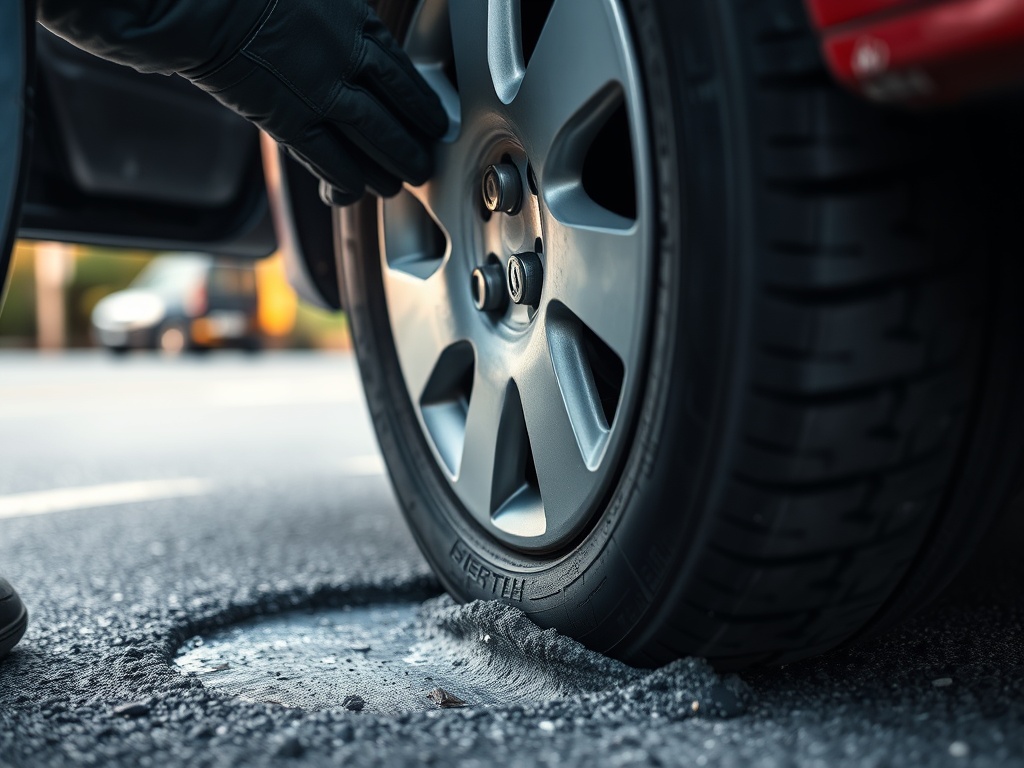
A pothole can knock off a wheel weight, bend a rim, damage a tire belt, or create a sidewall bulge. Vibration that appears at certain speeds often points to a rotating tire or wheel issue, while clunks or wandering may suggest suspension or steering damage. Alignment can contribute to wear and handling problems, but it does not usually create every type of vibration by itself.
NHTSA tire safety resources advise checking tire pressure monthly and paying attention to tire performance issues such as noise or vibration. A tire that looks fine may still have internal damage after a hard hit, so a technician's inspection is worth it.
When to stop driving and call for help
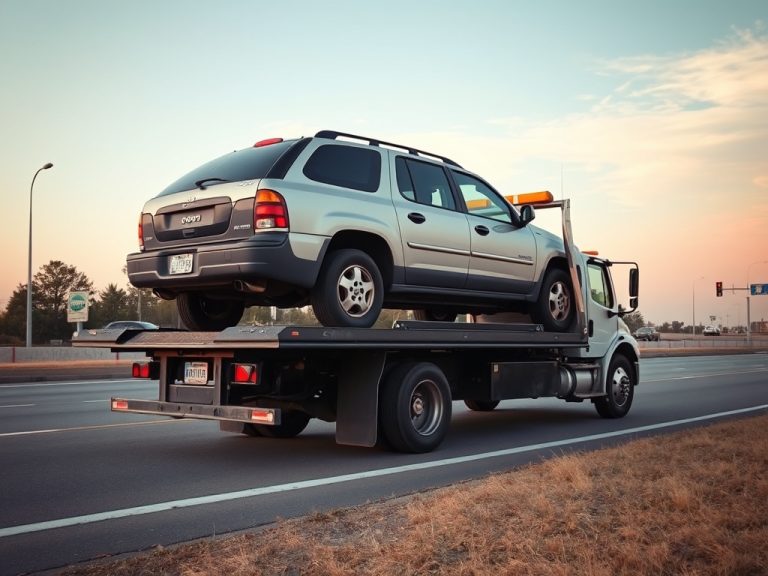
Stop driving when the tire is flat, pressure is dropping, the sidewall has a bulge, the rim is cracked, the vehicle pulls hard, the steering feels loose, a wheel makes grinding noises, or the car cannot stay stable. In those cases, the risk is not just tire wear. It is control.
If the car is unsafe or the tire cannot be changed in a safe place, do not keep driving just to avoid a service call. On electrified vehicles, brake service on EVs also shows why braking behavior and electronic systems deserve attention after unusual driving events.
What a shop should check after the impact
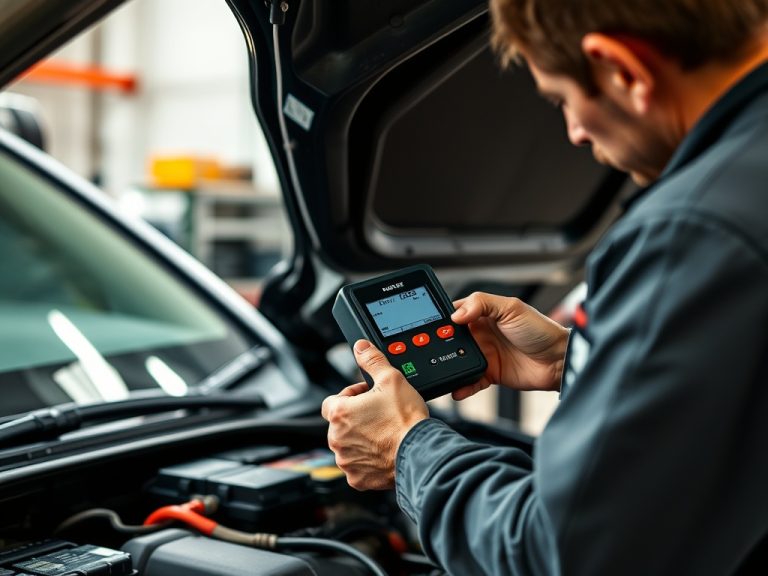
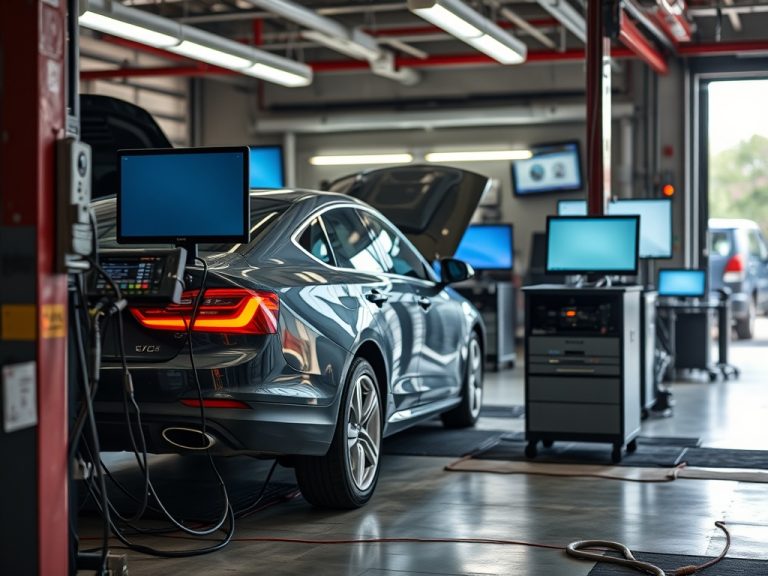
A post-pothole inspection may include tire pressure, tread and sidewall condition, wheel runout, balance, suspension joints, struts, control arms, tie rods, wheel bearings, steering components, ride height, and alignment angles before final adjustment is completed. The technician should explain whether the vehicle needs a tire, wheel repair, suspension repair, balance, alignment, or a combination.
If the vehicle has ADAS features, some repairs may also require calibration or steering-angle checks after alignment. This is not a universal requirement for every pothole hit, but it is becoming a more common consideration on newer vehicles.
Cost drivers without inventing a number
Costs vary by the vehicle, local labor rates, tire size, wheel type, sensor requirements, and whether parts are bent. A simple alignment is different from replacing a tire, wheel, tie rod, control arm, and then performing alignment. The best way to avoid unnecessary cost is to inspect before the damaged tire wears unevenly or the bent part creates additional wear.
A hard pothole hit can also expose other maintenance weaknesses. If warning lights appear after the impact, do not assume alignment is the only issue. Modern vehicles may need electrical checks, including the kind explained in car battery testing.
After the Hit, Let the Car Tell You What Changed
After a pothole strike, pay attention to the steering wheel, tire pressure, noise, vibration, and the way the car tracks. If anything changed, inspect it before normal driving. Alignment is often part of the fix, but the safest repair starts by ruling out tire, wheel, steering, and suspension damage.
If the same trip also led to rough running, stalling, or warning lights, keep those symptoms in the repair notes. A separate guide explains when rough idle points to an engine service problem.