A towing bill is worth considering when driving even a short distance could turn a manageable repair into engine, transmission, tire, brake, or safety-system damage. The clearest tow-now situations include overheating, oil-pressure warnings, severe brake symptoms, flat tires that cannot be safely changed, fluid leaks, smoke, strong fuel smell, or any condition that changes steering or stopping.
Tow-or-drive snapshot: The question is not whether the car can still move. The better question is whether moving it under its own power could damage a major system or put people in danger.
Start with safety, then think about cost
Drivers often compare the towing charge to the repair estimate. That is understandable, but the first comparison should be risk versus control. A vehicle with a flat tire on a highway shoulder, an overheating engine, or grinding brakes may technically move, but the driver may not be able to control what happens next.
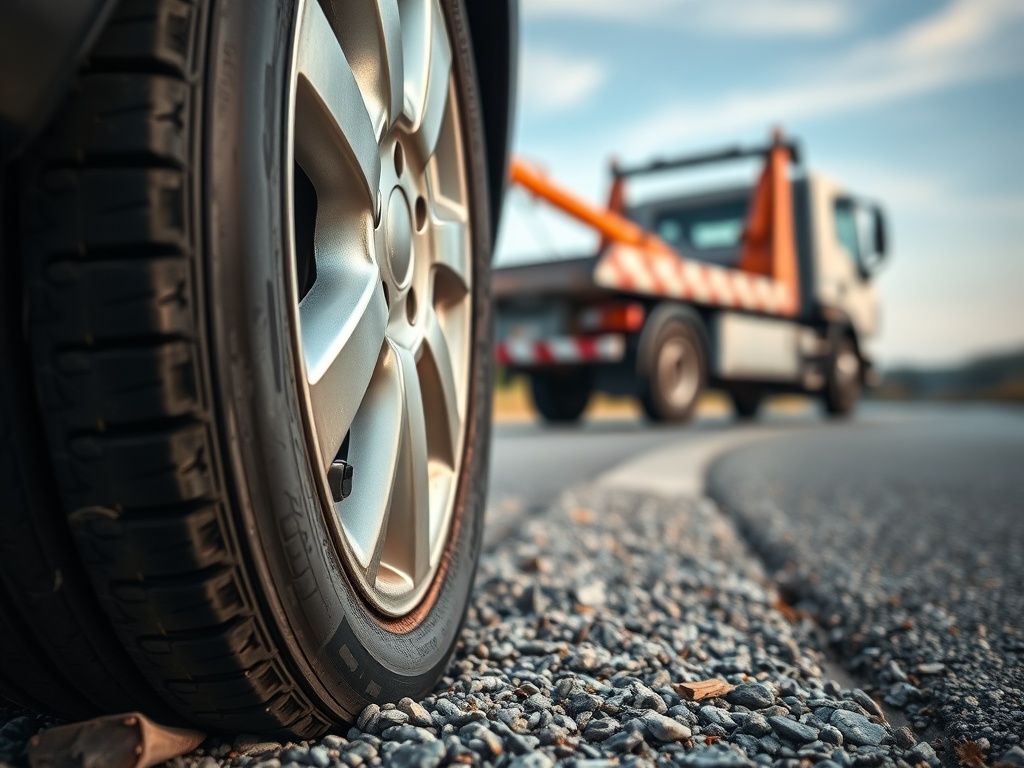
AAA's tire-change guidance warns that driving on a flat tire can damage wheels, suspension, braking, and steering systems. That makes a tow or roadside service a protective decision, not just a convenience. NHTSA's tire safety resources also emphasize that tire condition affects safety and that tire pressure, tread, and damage need regular attention.
Situations where towing is usually the safer call
| Symptom or event | Why driving can make it worse | Safer action |
|---|---|---|
| Overheating with steam or hot smell | Continued driving can damage the engine | Pull over safely and tow |
| Oil-pressure warning | Low oil pressure can quickly damage internal engine parts | Shut down when safe and tow |
| Flat tire without safe change conditions | Wheel, tire, steering, or suspension damage may worsen | Roadside service or tow |
| Brake pedal sinks, grinding, smoke, or pull | Stopping distance and control may be compromised | Do not continue driving |
| Transmission slipping or no engagement | Heat and internal wear may escalate | Tow to diagnosis |
| Strong fuel smell | Fire risk or leak may be present | Stop, move away, and get help |
This is general safety guidance. The owner's manual and emergency conditions should always control the decision.
Overheating is where a short drive can get expensive
A temperature warning, steam, sweet odor, or visible coolant loss should be taken seriously. FTC auto repair guidance notes that a sweet, steamy odor can indicate a coolant leak and that overheating with steam or a hot metallic smell calls for pulling over immediately because continued driving can cause severe engine damage.
This is not the moment to test how far the car can go. Engines depend on stable coolant flow, pressure, oil temperature, and metal clearances. When heat runs away, gaskets, cylinder heads, hoses, plastic fittings, and sensors may all be affected. A tow may prevent the repair from expanding beyond the original leak or failed component.
If overheating also came with belt noise, loss of cabin cooling, or accessory-drive noise, do not ignore related A/C symptoms; what causes A/C compressor failure explains why supporting conditions matter. Adding an unknown coolant may be better than running dry in an emergency, but mixing incompatible products can complicate the proper repair later.
Tire damage is not always visible at the shoulder
A driver may look at a tire after an impact and see no obvious puncture. That does not mean the tire is safe. Sidewall damage, belt separation, bent wheels, or lost balance weights can show up as vibration, pulling, or pressure loss after the vehicle starts moving again. If there is a bulge, cut, exposed cord, cracked rim, or rapid air loss, towing or roadside replacement is the cautious option.
A pothole hit can also affect alignment or suspension. If the car suddenly pulls, the steering wheel sits crooked, or the ride feels unstable, the vehicle should be inspected before normal driving. If the damage is tied to an insurance claim or collision repair, rental car coverage during body shop and mechanical repairs explains what to verify before relying on a rental.
Brake and steering problems are not wait-and-see repairs
Brake smoke, grinding, a pedal that sinks, a warning light paired with poor feel, or a vehicle that pulls hard under braking should not be treated as a routine appointment item. The driver may get one more stop, or may not. Steering problems deserve the same caution because loss of control affects everyone nearby.
A stuck caliper, failed wheel bearing, severe rotor damage, leaking brake hydraulic component, or loose steering part can worsen quickly with movement. Even if the final repair is modest, the tow can be the choice that prevents the vehicle from being driven in an unsafe condition.
When a cautious short drive may be reasonable
Not every problem requires a tow. A steady check-engine light with no shaking, normal temperature, normal oil pressure, and normal braking may allow a careful trip to a nearby shop. A minor trim issue, small non-dripping seep, or low tire pressure that can be corrected safely may not require towing. The distinction is whether the vehicle still starts, stops, steers, cools, lubricates, and supports its tires normally.
If the symptom is a no-start, do not assume the battery is the only issue. Testing voltage, load, and reserve capacity can identify whether a jump-start is temporary or whether the vehicle needs proper electrical diagnosis. The guide to car battery testing explains the difference.
Cost drivers in a tow decision
The tow itself may vary by distance, vehicle type, location, time, and whether special loading is needed. The repair cost may vary by what additional damage happens if the vehicle is driven. Because exact numbers depend on local markets and the vehicle, the better way to think is in categories: towing cost, diagnostic cost, potential added damage, safety risk, and time lost if the vehicle fails in a worse location.
Also check policy benefits. Some auto policies, memberships, warranties, or service contracts may include roadside assistance or towing. The FTC's service-contract guidance recommends reviewing whether towing and related expenses are covered and whether pre-approval is required.
Make the Tow Call Before the Damage Grows
Tow when the symptom involves heat, lubrication, fuel, brakes, steering, tire structure, or major drivability. Drive only when the vehicle remains predictable and the manual does not warn against it. When uncertain, describe the exact symptom to a qualified shop or roadside provider before moving the car.
A useful next step is to keep a short roadside decision card in the glovebox: warning lights, smells, noises, tire condition, safe location, insurance or roadside number, and the shop destination.