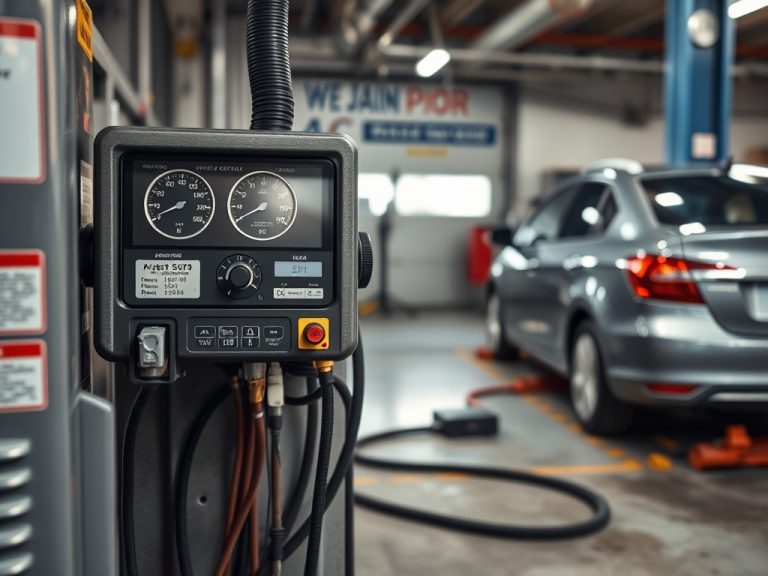
A rough idle points to an engine service problem when the vehicle shakes, stumbles, stalls, smells unusual, loses power, or turns on the check-engine light. Temporary roughness during a cold start can happen on some vehicles, but repeated or worsening idle problems should be diagnosed before they damage other components.
Rough-idle snapshot: A rough idle may involve air, fuel, spark, compression, emissions controls, sensors, mounts, or software. The right repair starts with symptoms, codes, live data, and basic checks, not with guessing parts.
What a rough idle actually feels like
A healthy idle is not perfectly silent, but it should be steady. A rough idle may feel like vibration through the seat, a shudder in the steering wheel, a rhythmic stumble, a near-stall at stoplights, or an engine speed that hunts up and down. Sometimes it appears only when cold, only with the A/C on, only after refueling, or only after the engine warms up.
The FTC lists rough idling or stalling among engine symptoms that call for diagnosis and repair. That matters because a rough idle is a symptom, not a cause. The vehicle is telling the driver that combustion, airflow, fuel control, or engine management may be unstable.
Common causes, from simple to serious
| Possible cause | Clues that may appear | Why diagnosis matters |
|---|---|---|
| Vacuum leak or unmetered air | High or unstable idle, lean codes | Can mimic sensor or fuel problems |
| Worn spark plugs or ignition coils | Misfire codes, stumble under load | Misfires can harm the catalytic converter |
| Dirty throttle body or idle control issue | Idle hunts or drops when accessories engage | Cleaning or relearn may be needed |
| Fuel injector or fuel delivery problem | Roughness on one cylinder, poor acceleration | Wrong part replacement can get expensive |
| Engine mechanical issue | Low compression, noise, coolant loss, oil use | Requires deeper testing before repair |
| Mount or vibration issue | Engine runs smoothly but body shakes | Not every shake is a combustion problem |
Cars.com explains that a misfire can cause rough idle or stutter during acceleration and may be tied to spark, fuel, or deeper mechanical issues. The key point for owners is that the code points the diagnostic process; it rarely proves the final repair by itself.
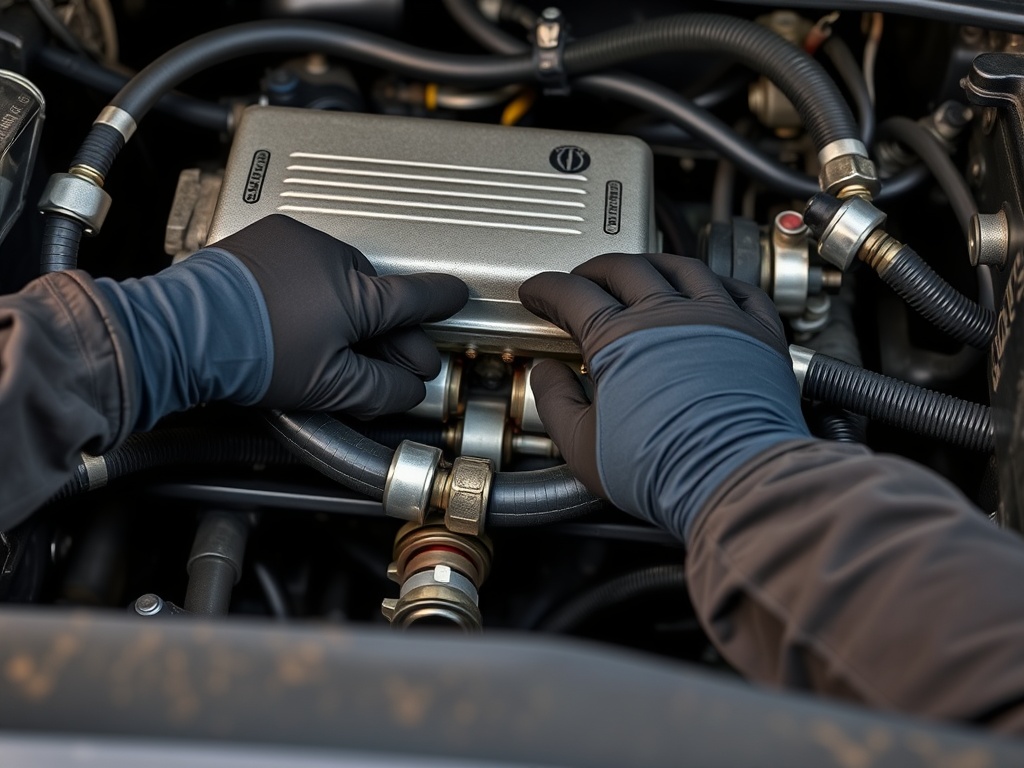
Warning signs that make the issue urgent
A steady rough idle should be scheduled. A flashing check-engine light, strong fuel smell, heavy shaking, overheating, low oil pressure, stalling in traffic, or loss of braking assist should be treated more urgently. Cars.com's check-engine guidance notes that a flashing check-engine light indicates a more serious problem and should be addressed immediately.
The reason is simple: raw fuel from a misfire can overheat the catalytic converter, a stall can create a traffic hazard, and overheating or low oil pressure can turn an engine problem into major damage. If the vehicle is shaking badly, losing power, or showing red warning lights, stop driving when safe and arrange service.
What a good shop should rule out first
A sensible diagnostic process starts with the complaint. When does it happen? Cold or hot? In drive or park? With A/C on? After rain? After fueling? Then the technician can scan for codes, review freeze-frame data, inspect hoses and connectors, check air intake parts, test ignition components, evaluate fuel trim, and perform compression or leak-down testing if the data points there.
The first check may be simple: loose intake boot, cracked vacuum hose, oil cap not seated, dirty throttle plate, weak battery voltage, or disconnected sensor. But a simple-looking symptom can also involve cam timing, valve sealing, injector balance, or a failing control module. That is why replacing spark plugs blindly is not always a repair.
Short-Term Checks Versus Real Fixes
Temporary steps include noting the conditions, checking for obvious loose hoses, confirming the fuel cap is tight, and avoiding heavy acceleration if the vehicle is running poorly. Proper repair depends on evidence. It may involve ignition parts, vacuum leak repair, throttle service, injector cleaning or replacement, software updates, engine mechanical work, or emissions-system repair.
A cooling issue can also create idle symptoms. If coolant level is low, the temperature fluctuates, or the heater behaves oddly, the engine may not be operating under normal thermal control. Before topping off, learn why coolant type matters more than color so a small correction does not create a future cooling-system problem.
Cost drivers without guessing the invoice
Rough-idle repair costs are driven by diagnostic time, parts access, engine layout, whether the problem is intermittent, and whether multiple systems are involved. Replacing one ignition coil on an accessible engine is a different job from diagnosing low compression, intake leaks under the manifold, fuel-pressure issues, or wiring faults.
Owners can lower wasted time by giving precise notes: when the symptom started, fuel level, recent repairs, warning lights, weather, whether the vehicle stalls, and whether it improves after warmup. Video or audio can help if the symptom disappears at the shop. Clear notes are often more useful than a vague request for a tune-up.
What to monitor after service
After repair, watch idle quality, fuel economy, check-engine light status, starting behavior, and whether the symptom returns under the same conditions. If a misfire code was cleared, ask whether readiness monitors need to complete before inspection or emissions testing. If a part was replaced, ask what test confirmed the failed part and what warranty applies.
Modern vehicles blend engine, brake, charging, and stability data. A rough idle may not seem related to EV or brake topics, but hybrids and stop-start vehicles can create different symptom patterns. That is one reason EV brake behavior and service expectations are part of the broader modern-service conversation.
Bring Clear Symptoms to the Diagnostic Bay
A rough idle is worth investigating when it repeats, worsens, triggers warning lights, or affects drivability. Do not buy a basket of parts before the vehicle is tested. A careful diagnosis separates a tune-up item from a vacuum leak, fuel issue, sensor fault, mount problem, or mechanical engine concern.
If the roughness appeared after a road impact, pair the engine complaint with steering and suspension observations. Alignment-related changes after potholes are covered in signs you need an alignment after hitting a pothole.