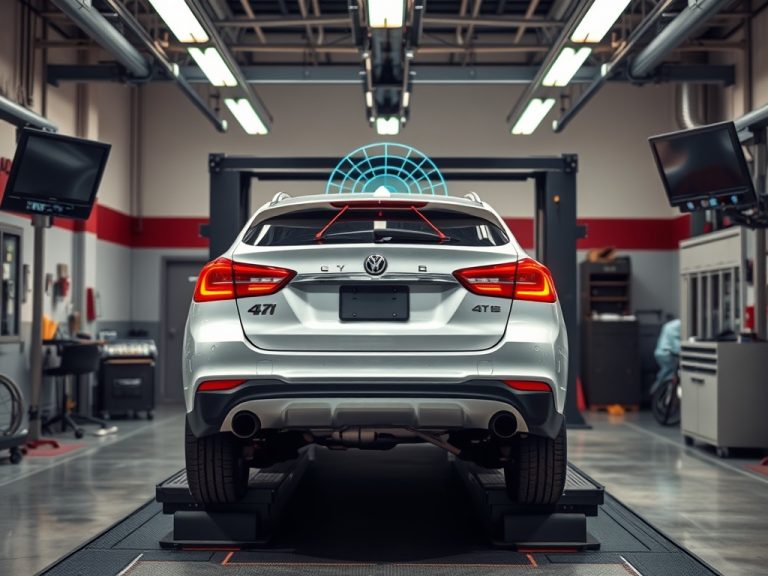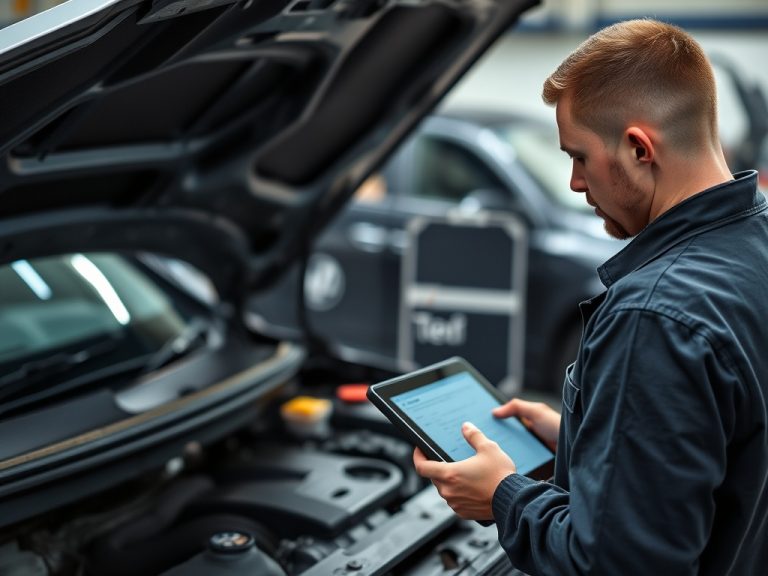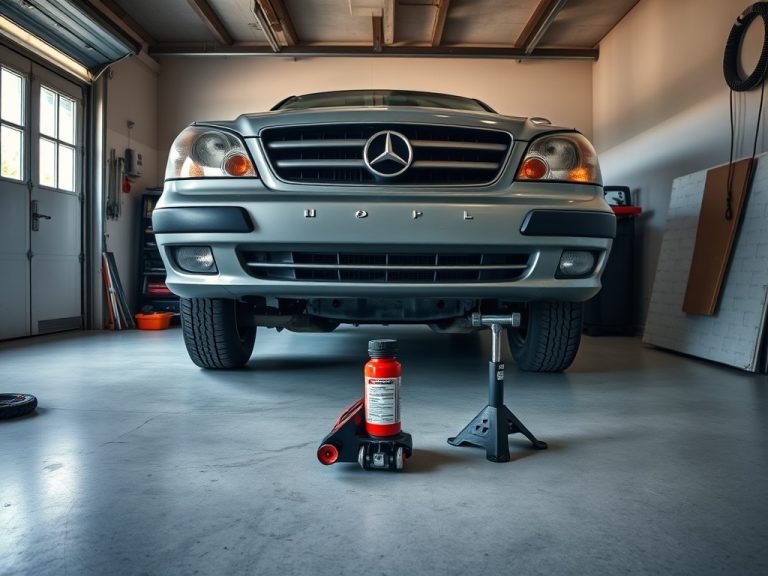
The automotive service trends most likely to matter over the next five years are advanced diagnostics, ADAS calibration, EV and hybrid service readiness, software-driven repair workflows, battery and electrical testing, parts documentation, and technician training. The common thread is complexity: vehicles are becoming harder to service without data, equipment, and disciplined processes.
Five-year service outlook: Routine maintenance will not disappear, but more jobs will involve sensors, software, high-voltage awareness, calibration space, and documentation that proves the repair was completed correctly.
The shift is already visible in ordinary repairs
A windshield replacement may require camera calibration. A bumper repair may involve radar brackets. A brake complaint on an EV may involve regenerative braking behavior and friction-brake corrosion. A no-start may be a 12-volt battery issue on a vehicle that also has a high-voltage battery. These are not futuristic edge cases. They are already appearing in normal service lanes.
The U.S. Bureau of Labor Statistics describes automotive technicians as workers who increasingly use computerized diagnostic tools and need familiarity with electronic systems and sensors. Its 2024-2034 outlook projects employment growth about as fast as average, but also points to demand from ADAS calibration and repair while EVs may reduce some traditional maintenance demand.
Trend 1: diagnostics becomes the front door to repair
The old workflow often began with a symptom and moved quickly to a part. The newer workflow begins with a symptom, vehicle scan, service information, test plan, and sometimes calibration or programming. That does not make experience less valuable. It makes experience more dependent on evidence.
Customers will feel this as more diagnostic charges, more documentation, and more explanation before parts are replaced. Shops will feel it as tool subscriptions, training time, and a need to communicate why testing matters. A scan alone is not a repair, but skipping the scan can miss hidden faults.
Trend 2: ADAS calibration moves from specialty to everyday workflow
Advanced driver assistance systems depend on cameras, radar, ultrasonic sensors, steering angle data, ride height, and precise mounting. Collision, glass, alignment, and suspension work can all affect those inputs. A 2026 MOTOR article drawing on S&P Global Mobility points to ADAS adoption as a driver of aftermarket diagnostic and calibration opportunities.
The proven benefit is that ADAS features can support safety when properly functioning. The hype risk is assuming a replaced part or cleared code means the system is fully restored. The service reality is that calibration conditions, repair procedures, and documentation matter.
This trend connects directly to consumer decisions. If a driver notices steering changes after a hard impact, the next question may be whether steering-angle calibration or sensor checks are also needed before the vehicle is returned to normal use.
Trend 3: EV and hybrid service becomes normal, but uneven
The Alternative Fuels Data Center explains that all-electric vehicles generally need less maintenance because they have fewer moving parts and use regenerative braking, while hybrids still share many conventional maintenance needs. That is a real shift in service mix, not a claim that EVs need no service.
EVs still need tires, suspension, brakes, cabin filters, coolant where equipped, 12-volt battery checks, software updates, and high-voltage safety procedures. The shops most affected first are those in markets with higher EV adoption, fleet work, dealer overflow, and collision repair. Rural or low-adoption areas may see the shift more slowly, but training gaps can still affect availability.
For owners, EV brake service differences are a useful example: less pad wear can coexist with corrosion or hardware concerns.
Trend 4: the 12-volt system stays important
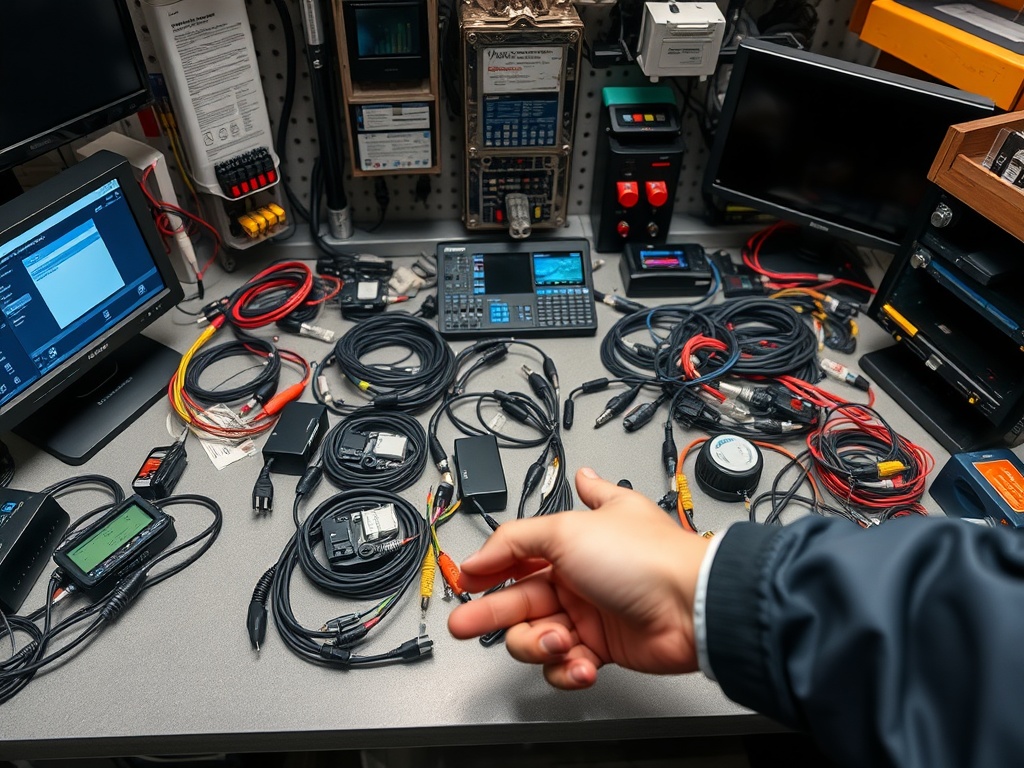
Modern vehicles depend on stable low-voltage power even when propulsion changes. Modules, locks, sensors, infotainment, telematics, lights, and startup logic can all be affected by weak voltage. That means battery testing will remain a core service skill.
A driver may expect advanced vehicles to be immune to old battery problems, but many confusing symptoms still begin with a weak 12-volt battery or poor ground. Battery testing will stay relevant because electrical faults are becoming more visible, not less.
Trend 5: fluids become more specification-driven
Engine oil, transmission fluid, brake fluid, refrigerant, and coolant have all become more specification-sensitive. Universal language can be misleading if it hides manufacturer requirements. Coolant is a simple example: color alone does not prove compatibility, and the wrong product can create corrosion, deposits, or warranty disputes.
The same applies to A/C refrigerants. EPA's MVAC rules require certified technicians and approved equipment when motor vehicle A/C systems are serviced for payment. That regulatory layer affects cost, scheduling, and shop capability.
This is why consumer education around coolant type rather than color is not a minor maintenance topic. It reflects a broader shift toward specification-first service.
Trend 6: documentation becomes part of the product
A completed repair order used to list parts and labor. Increasingly, customers may need pre-scan results, post-scan results, calibration reports, fluid specs, warranty authorization, photos, and sublet records. That paperwork protects the customer, the shop, and sometimes the insurer.
Documentation also helps during resale, warranty claims, and repeat diagnostics. A driver who can show exactly which coolant, battery, or calibration procedure was used gives the next technician a better starting point.
What is proven and what is still uncertain
Proven: vehicles have more electronic systems, EVs reduce some traditional maintenance, ADAS calibration is increasingly relevant, and technicians need stronger diagnostic skills. Uncertain: the pace of EV adoption by region, the balance between dealer and independent repair access, parts pricing, and how quickly small shops can invest in training and equipment.
Consumers do not need to predict the whole market. They need to choose service providers that explain procedures, follow manufacturer information, document work, and admit when a job requires specialized equipment.
Plan for Service That Is More Software-Aware
The next five years will reward owners who keep records, ask better questions, and choose shops with the right tools for the vehicle. The smartest question will not be "Can you fix cars?" It will be "Can you test, document, calibrate, and verify this system on this vehicle?"
For hands-on owners, the trend does not erase basic safety. It makes basics more important. Before any home inspection or wheel work, review safe jack stand, chock, and torque-wrench practices.