Good event photography depends on timing, permission, awareness, and restraint as much as camera skill. Plan your access, move predictably, avoid blocking sightlines, and capture the atmosphere without making yourself the center of it.
The low-disruption shooting approach
- Know the venue rules, artist restrictions, and photo access before the event starts.
- Use quiet movement, short shooting bursts, and clear body awareness in crowds or pits.
- Never use flash unless explicitly allowed and appropriate for the setting.
- Deliver accurate, respectful images that do not misrepresent performers or audiences.
Get permission and limits in writing
Concert and festival photography begins before the first song. Find out whether you are shooting as accredited media, house photographer, artist team, vendor, or attendee. Each role has different access and obligations. A photo pass may allow the first three songs from the pit, side-stage access, or only public-area coverage. An attendee ticket may prohibit professional cameras or commercial use. Do not assume rules are flexible because the crowd is casual.
Write down restrictions: no flash, first three songs, no backstage, no audience closeups, no video, no publication before approval, or no images of certain minors or guests. If the venue has strict bag rules, pack accordingly. A smaller kit often helps you move better and annoy fewer people.
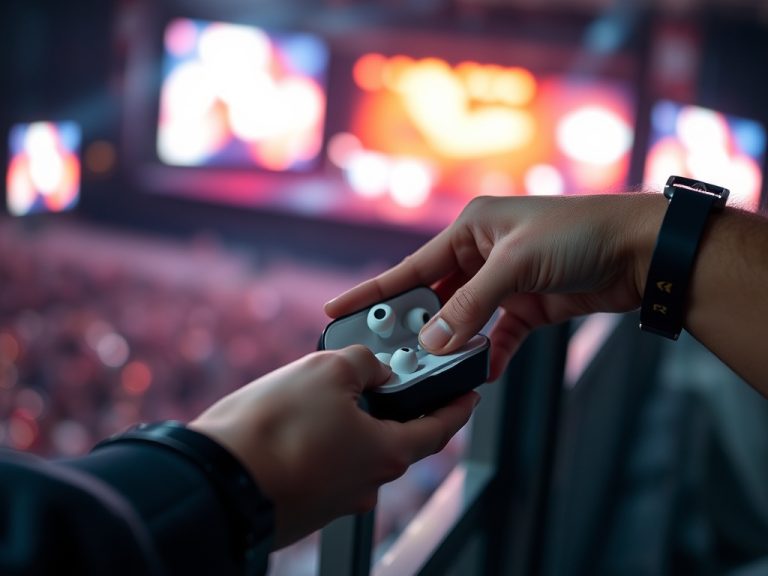
Respectful photography shares a mindset with protecting hearing at concerts without killing the experience: prepare before the loud, crowded moment so you are not making poor decisions under pressure.
Move like a guest, not an obstacle
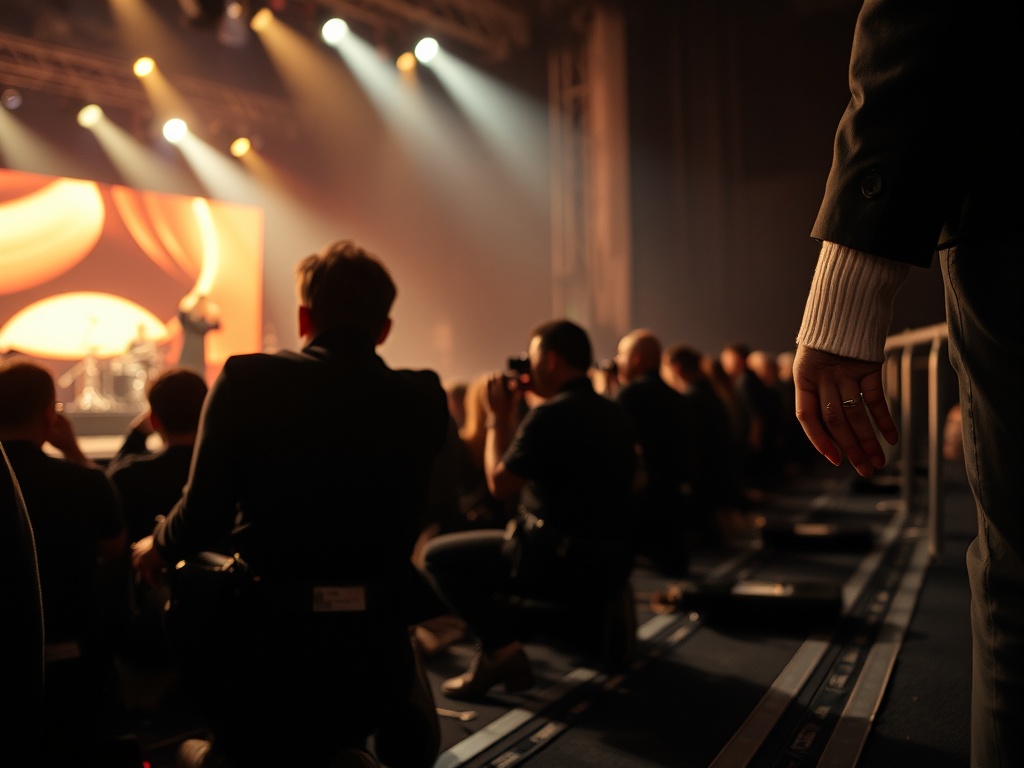
The camera does not give you permission to ruin someone else's view. In a pit, move in a predictable line, kneel only when safe, and do not camp in the best angle for an entire song. In a crowd, keep elbows close, lift the camera briefly, and avoid pushing toward the front once people have settled. If you need a different angle, wait for a natural transition between songs or sets.
The NPPA Code of Ethics for visual journalists emphasizes accuracy, context, and respect for subjects. Even if you are not a newsroom photographer, those principles are useful. Do not stage audience reactions and present them as spontaneous. Do not choose images that humiliate a performer or fan just because the frame is dramatic. Do not crop away context in a way that changes the meaning of a moment.
Small gestures matter. Make eye contact with security when passing, thank staff, stay out of emergency paths, and avoid blocking interpreters, accessibility platforms, or crew sightlines. The best photographers are noticed in the final images, not as a problem during the event.
Choose gear for speed and courtesy
Low-light performance photography rewards fast lenses, clean high-ISO technique, and anticipation. It does not reward bringing every item you own. A two-lens setup can cover wide atmosphere and tighter performer moments while keeping your bag manageable. Use silent or electronic shutter modes when appropriate, but watch for banding under LED lighting. Turn off focus beeps, review-screen brightness, and any assist light that could distract performers.
Flash is usually inappropriate at concerts unless you have explicit permission for a specific purpose. It distracts performers, annoys audiences, and can flatten the look of stage lighting. Learn to work with available light: silhouettes, rim light, haze, color washes, and contrast. Not every frame needs a clean face. Sometimes the most honest image is a hand on a fretboard, a setlist at the edge of the stage, or the scale of a crowd at dusk.
The International Center of Photography describes photography as a space for dialogue about the power of the image. That is a helpful reminder when shooting cultural events. You are not only collecting content. You are deciding what the event will look like to people who were not there.
Tell the event truthfully
A strong festival set includes more than hero shots. Capture arrival, weather, venue texture, audience movement, accessibility features, crew work, empty spaces before gates open, and cleanup afterward if your assignment allows it. These frames create context. They also keep you from chasing the same front-stage image as everyone else.
Be careful with audience privacy. Large crowd scenes are different from tight emotional closeups of identifiable people. Children, medical situations, intoxication, conflict, and private distress require extra restraint. If someone clearly refuses to be photographed, respect it unless there is a compelling public-interest reason and you are working within a newsroom standard. For most arts and entertainment coverage, there is rarely a good reason to make a private person uncomfortable for a minor frame.
Editing matters too. Avoid excessive manipulation that changes color, crowd density, or mood beyond normal tonal correction. If the lighting was red and smoky, show that. If the crowd was sparse, do not crop every image to imply a packed field. Credibility is part of the photograph.
Deliver cleanly after the event
Back up cards immediately, label files by date and event, and separate selects from rejects. Provide captions with performer names, venue, date, and context where required. Do not rely on memory two weeks later. If images are for a client, clarify usage rights, credit line, embargoes, and approval process before sending a gallery.
The same file discipline used to prepare layered files and deliverables clients can actually use applies to photography. A great image buried in a chaotic folder is less useful than a strong, accurately labeled set delivered on time.
Low-disruption shooting choices
| Choice | Why it helps | Mistake to avoid |
|---|---|---|
| Small kit | Lets you move safely and quickly | Overpacking into crowded areas |
| No flash | Protects performers and stage mood | Assuming flash is acceptable because phones use it |
| Short bursts | Captures action without blocking views | Holding a position too long |
| Context frames | Shows the event beyond the headliner | Only shooting tight performer closeups |
Let the event remain bigger than the camera
The best event photographers know when not to shoot. They protect access, respect the room, and make images that help others remember the performance accurately. When your movement is thoughtful and your editing is honest, the camera becomes part of the event's record rather than an interruption.
If you are new to event photography, practice restraint before chasing access. Shoot a small community performance from public areas, review how often you blocked others, and ask whether your final set tells a coherent story. Skill grows faster when you evaluate both image quality and event behavior. A technically strong frame is not worth damaging trust with venues or audiences.
For festivals, remember that endurance affects judgment. Heat, dust, rain, crowds, and long schedules can make photographers careless. Build in water, ear protection, card changes, and rest so you do not become impatient with staff or guests. Professional behavior is easier when basic needs are handled.