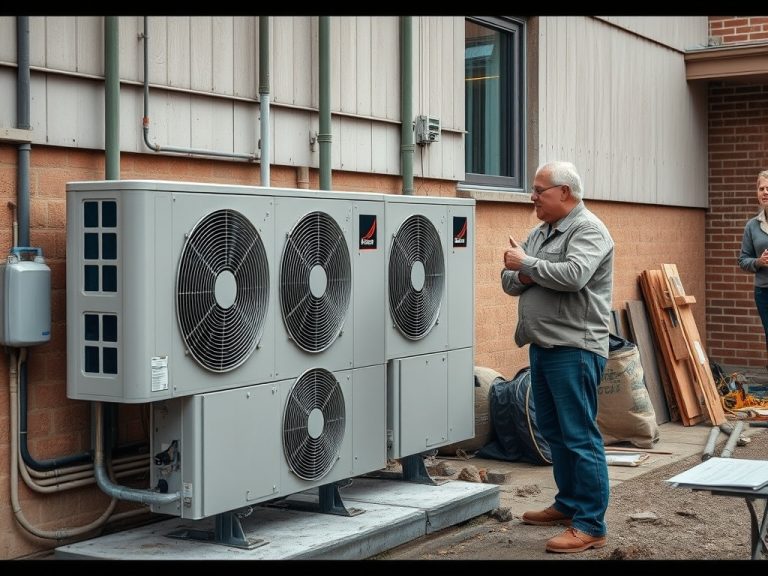
Preventive maintenance programs usually fail after implementation because the program is not kept aligned with real assets, real labor, real failure history, and real operating priorities. The issue is rarely one bad checklist; it is a system that stops learning after launch.
PM Reality Check: A durable PM program needs clean asset data, risk-based task selection, usable job plans, technician feedback, supervisor review, and a way to retire tasks that no longer add value. If the program only creates recurring work orders, it can look active while reliability gets worse.
Implementation is the beginning, not the finish line
Many organizations spend months building a preventive maintenance program, loading a CMMS, assigning frequencies, and training technicians. The launch feels like success. Six months later, overdue work piles up, technicians skip steps that do not match field conditions, supervisors stop reading notes, and leadership asks why breakdowns are still happening.
The root problem is that PM is often treated as a static library. Federal O&M guidance from the Department of Energy describes operations and maintenance as a management discipline that includes technologies, energy and water efficiency, and cost-reduction approaches. That framing matters. A PM program is not only a set of tasks. It is a reliability process that must be managed, measured, and adjusted.
PM failure also grows when maintenance, capital planning, safety, and occupant communication work in separate lanes. A drain inspection may identify roof-risk work. A ceiling repair may reveal a hidden leak. An air handler PM may show access problems. If those findings never move into planning, the PM program keeps repeating work while larger risks remain unresolved. That is why links between inspections and follow-up articles such as suspended ceiling repairs can help teams connect symptoms to corrective action.
Reason 1: the asset register is weak
A PM schedule built on inaccurate asset data will eventually frustrate everyone. Missing equipment, duplicate tags, abandoned assets, vague locations, and wrong model information cause wasted trips and unreliable history. The program may show high completion rates while technicians are working around bad data.
Asset data does not need to be perfect before implementation, but it does need ownership. Assign a process for adding assets, retiring assets, correcting locations, and reviewing parent-child relationships. For complex systems, connect equipment to the spaces or processes they serve. A pump is more meaningful when staff know which loop, floor, tenant, or production area depends on it.
Reason 2: task frequency is copied instead of risk-based
Vendor manuals, legacy calendars, and inherited checklists are useful starting points, but they should not become permanent truth without review. A low-risk exhaust fan and a critical air handler should not receive the same level of attention simply because both are fans. ENERGY STAR O&M guidance discusses control strategies and operational settings that can improve performance, which reinforces the broader point: maintenance should reflect how the asset is used, not just what category it belongs to.
| PM failure signal | What it often means | Better response |
|---|---|---|
| Many overdue low-value tasks | Frequency exceeds labor capacity or risk value | Review criticality and adjust schedules |
| Repeated emergency work on the same assets | PM content misses failure modes | Add condition checks and root-cause review |
| Technician notes say "no access" | Planning missed access constraints | Fix permits, keys, ceiling panels, or shutdown windows |
| Parts unavailable during PM | Job plans lack material planning | Add kits, min-max levels, or staging rules |
| No change after failures | Feedback loop is broken | Hold periodic task review meetings |

Reason 3: job plans are not field-ready
A job plan should help a qualified technician do repeatable work safely and efficiently. Too many PMs are written as vague reminders: "Inspect unit," "check pump," or "perform service." A field-ready plan includes safety notes, tools, parts, access needs, shutdown requirements, acceptance criteria, and when to create corrective work.
For example, a roof drainage PM should tell the technician to inspect primary drains and overflow paths, document debris type, photograph ponding, and escalate missing strainers. That connects directly to roof drainage calculation basics, where field evidence helps determine whether a drainage issue is a cleaning problem, design question, or structural concern.
Job plans should also avoid false precision. If a reading has no defined acceptable range, technicians may record numbers that no one uses. When measurable values matter, define normal, caution, and stop-work conditions according to the asset, procedure, or professional recommendation.
Reason 4: completion becomes the only metric
Completion rate is necessary, but it is not enough. A team can complete every PM and still miss rising failure risk if the tasks are wrong. Add indicators such as repeat failures, corrective work generated from PMs, emergency-to-planned work ratio, critical asset overdue rate, and quality of technician notes. The goal is not more dashboards. The goal is better decisions.
GSA building operations guidance references preventive, predictive, and reliability-centered maintenance as part of reliable service and operational performance. In advanced programs, that means PM should be one method among several. Some assets need calendar work. Others need condition monitoring, operating data, inspections, testing, lubrication analysis, or redesign.
Reason 5: feedback has nowhere to go
Technicians often know which PMs are useful, which are outdated, and which assets are likely to fail. The program fails when that knowledge stays informal. Add a simple review path: technician note, supervisor triage, planner update, engineering review when needed, and documented change to the PM library. Record why a frequency or task changed so the same debate does not repeat every year.
Leadership also needs to protect planning time. If supervisors are always pulled into emergencies, PM optimization never happens. A backlog review should separate safety-critical work, compliance work, reliability work, occupant-impact work, and discretionary improvements. That helps leaders decide what to fund, defer, or redesign.
Rebuilding PM so it holds up
Start with the highest-risk assets, not the largest list. Pick one system, such as chilled water, roofing, fire pumps, electrical distribution, or critical exhaust. Validate asset data, review failure history, compare PM content to actual failure modes, and ask technicians what blocks completion. Then update the job plans and track whether corrective work becomes earlier and more useful.
A PM program should reduce uncertainty, not simply fill calendars. Treat implementation as the first draft and reliability as the ongoing measure. This article is educational only and does not replace professional engineering, safety, legal, compliance, or project management advice.