Heat pump and electrification retrofits raise practical questions about comfort, electrical capacity, envelope condition, controls, backup heat, cost assumptions, and maintenance. Owners should answer those questions before choosing equipment, because the best retrofit depends on the building and its operating goals.
Retrofit Question Box: Heat pumps can be a strong retrofit option in many buildings, but they are not a copy-and-paste replacement for every boiler, furnace, or packaged unit. Start with load, envelope, distribution, electrical service, climate, controls, incentives, and maintenance capacity before narrowing the system type.
What building electrification means in retrofit work
Building electrification usually means shifting some fossil-fuel equipment, such as space heating, water heating, cooking, or process loads, to electric equipment. Heat pumps are central to many plans because they move heat rather than generating heat by combustion at the point of use. The retrofit decision, however, is not simply gas versus electric. It is a building-performance decision.
EPA's heat pump overview explains that air-source heat pumps transfer heat between a house and the outside air and that newer technology can perform in cold climates. ENERGY STAR maintains product resources for certified heat pumps. Those sources are helpful starting points, but final selection still needs local design review, especially for larger homes, mixed-use buildings, commercial properties, and buildings with unusual loads.
Owners often ask whether they should electrify before improving the envelope. The honest answer is: study both together. Poor insulation, air leakage, window issues, and duct problems can increase required capacity and reduce comfort. Envelope improvements, air sealing, and moisture control should be addressed while walls, roofs, or attics are open because those decisions can change the load the mechanical system must serve.
Question 1: What load are we actually serving?
Sizing should be based on a professional load calculation, not simply on the nameplate of existing equipment. Older systems may be oversized, undersized, or compensating for envelope defects. Occupancy, ventilation, process loads, additions, window changes, and future renovations can all affect the answer.
For commercial buildings, DOE advanced energy retrofit resources are designed to help owners and professionals plan and implement energy-efficiency upgrades. Even when an owner is not using those guides directly, the planning logic is valuable: define goals, understand existing conditions, evaluate measures together, and avoid isolated equipment swaps that ignore operations.
Question 2: Can the electrical system support the plan?
Electrification can add load to panels, feeders, switchgear, transformers, or utility service. A heat pump retrofit may also coincide with EV charging, commercial kitchen changes, electric water heating, or tenant equipment. Owners need an electrical capacity review before committing to a scope.
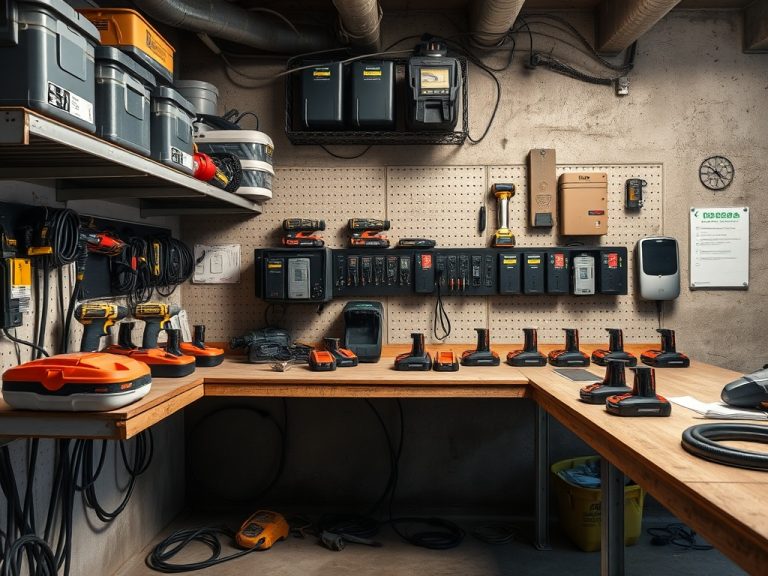
The review should consider peak demand, panel space, conductor capacity, equipment location, disconnects, controls, standby power interaction, and future expansion. If the building already has battery-powered tool charging areas, EV planning, or data equipment, those loads should be included in the broader electrification picture. For small shops or maintenance areas, charging station setup for battery-powered tools provides a more focused safety planning view.
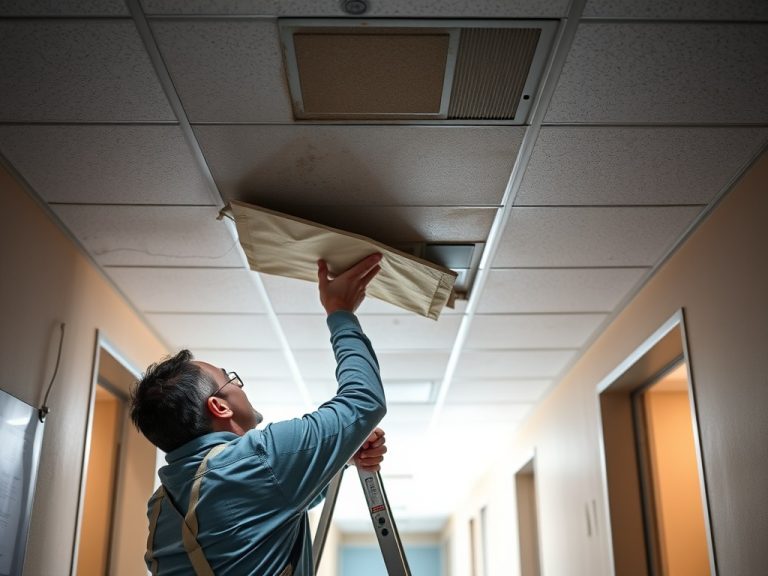
Installation work also has jobsite safety implications. Electrical rooms, roof areas, refrigerant lines, ceiling spaces, and mechanical closets may require task-specific controls and protective equipment. The PPE selection guide for common trades can help owners ask better questions about how contractors protect workers during retrofit work.
Buildings with server rooms, network closets, or sensitive electronics should review cooling continuity before removing old equipment or changing operating schedules. The overview of data center construction basics gives non-specialists a useful lens for power, cooling, and maintenance access risks.
| Retrofit question | Why it matters | Who usually helps answer |
|---|---|---|
| What is the heating and cooling load? | Affects system size, comfort, and operating behavior | Mechanical designer or energy professional |
| Is the envelope ready? | Air leakage and insulation affect capacity and comfort | Building performance contractor or auditor |
| Is electrical capacity available? | May require panels, feeders, transformer, or utility coordination | Electrical contractor or engineer |
| What backup or auxiliary heat is needed? | Controls comfort and resilience in design conditions | Mechanical designer |
| How will controls be operated? | Prevents simultaneous heating/cooling and occupant confusion | Controls contractor and facility team |

Question 3: What type of heat pump fits the building?
Common options include ducted air-source heat pumps, ductless mini-splits, variable refrigerant flow systems, packaged rooftop heat pumps, water-source systems, and ground-source heat pumps. Each has different implications for distribution, refrigerant piping, controls, maintenance access, ventilation, zoning, and first cost. No option is universally superior.
Owners should also ask how ventilation is handled. A heat pump may condition the space, but outdoor air, filtration, humidity control, and exhaust requirements still need attention. In buildings with existing air handlers or chilled water systems, electrification may be a staged strategy rather than a single replacement project.
Question 4: How will the system perform in local weather?
Cold-climate performance, defrost behavior, capacity at design temperature, backup heat strategy, and occupant expectations should be reviewed before equipment is chosen. DOE heat pump system guidance reinforces that energy, cost, and emissions impacts depend on many factors, including climate, equipment, fuel, and grid conditions. Owners should avoid broad claims that ignore the project location.
In hot or humid climates, dehumidification and part-load control can be just as important as heating capacity. A system that meets the load on paper but short cycles, fails to remove moisture, or confuses occupants may create complaints. Controls training and commissioning should be part of the project.
Question 5: What maintenance changes after retrofit?
Heat pumps shift maintenance tasks. Filters, coils, condensate drains, outdoor unit clearance, refrigerant circuits, controls, sensors, and software settings may become more important. For commercial sites, technicians may need training on new sequences, fault codes, and seasonal operation. A retrofit that saves energy on paper can disappoint if the maintenance team cannot operate it correctly.
Owners should ask for a plain operating guide at turnover: normal modes, emergency heat settings, filter schedule, outdoor unit clearance, alarm response, warranty requirements, and service contact procedures. The guide should be short enough that occupants or facility staff will actually use it.
Electrification questions to settle before scope
Before approving a heat pump retrofit, settle five questions: What load are we serving? What envelope work should happen first or alongside it? What electrical upgrades are needed? What backup or resilience strategy is appropriate? Who will maintain and operate the system after installation?
A useful next step is a pre-design walkthrough with mechanical, electrical, envelope, and operations representatives in the same conversation. That prevents the retrofit from becoming a chain of isolated decisions. This article is for informational and educational purposes only and does not replace professional engineering, energy, code, legal, compliance, tax, rebate, or project management advice.