PPE selection for construction trades should start with the task hazard, not with a generic gear list. The right protective equipment depends on what can strike, cut, burn, shock, irritate, fall, splash, or expose the worker during that specific activity.
PPE Field Brief: PPE is the last layer of protection after hazards are eliminated, reduced, guarded, isolated, or controlled through procedures. Choose equipment that fits the task, fits the worker, is compatible with other gear, is maintained properly, and complies with applicable rules for the job and jurisdiction.
Begin with hazard assessment
A new worker may ask, "What PPE do I need for construction?" The better question is, "What hazards are present in this task, and what controls are already in place?" Cutting concrete, setting forms, pulling wire, installing insulation, welding, operating lifts, and cleaning up debris create different exposures. A single hard hat and safety glasses rule is not a complete PPE program.
OSHA's construction PPE page groups standards and information related to protective equipment in construction. Employers must assess hazards, provide suitable equipment where required, and train workers in use and limitations. PPE does not make a task safe by itself; it supports a larger safety plan.
Fit deserves special attention. The Department of Labor announced a final OSHA rule revising the construction PPE standard to explicitly require proper fit. Poorly fitting equipment can slip, snag, limit movement, reduce visibility, or discourage use. A crew with different body sizes needs more than one default option.
Common trades and likely PPE questions
| Trade or task | Hazards to assess | PPE often considered |
|---|---|---|
| Carpentry and framing | Cuts, struck-by objects, noise, dust, falls | Eye protection, gloves, head protection, hearing protection, fall protection where required |
| Concrete cutting or drilling | Silica dust, flying particles, noise, vibration | Eye and face protection, respiratory protection if required, hearing protection, gloves |
| Electrical work | Shock, arc flash, burns, stored energy | Voltage-rated tools, arc-rated PPE where required, eye and hand protection, lockout procedures |
| Roofing | Falls, heat, cuts, adhesives, weather | Fall protection, footwear, gloves, eye protection, task-specific respiratory or chemical protection |
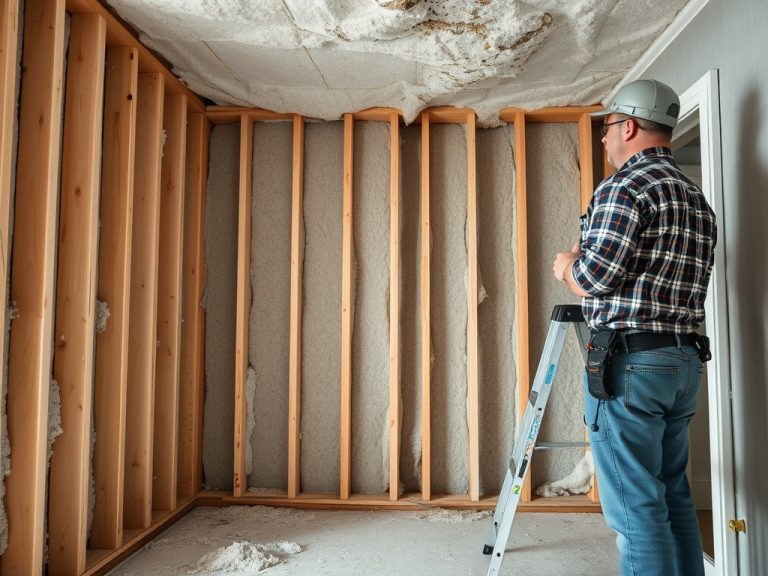
| Insulation work | Fibers, dust, skin irritation, overhead work | Gloves, eye protection, long sleeves, respiratory protection when required |

Head, eye, face, and hand protection
Head protection is selected based on impact, penetration, electrical exposure, and site requirements. Eye protection should match the hazard: side shields for flying particles, goggles for dust or splash, face shields for additional face coverage, and specialized lenses for welding or cutting. A face shield normally supplements eye protection rather than replacing it.
Gloves are often chosen too casually. Cut-resistant gloves, chemical-resistant gloves, insulated gloves, welding gloves, and general work gloves are not interchangeable. A glove that protects against abrasion may not protect against solvent exposure. A bulky glove may create dexterity problems around rotating equipment. Choose based on the material handled and the task motion.
For renovation crews, PPE choices should connect to the work plan. An insulation upgrade may require dust control and skin protection. A system shutdown may require electrical safety steps before any hands-on work. Related planning is covered in building system shutdown documentation, because PPE alone cannot control hazardous energy.
Respiratory, hearing, and fall protection are not shortcuts
Respiratory protection should never be treated as a simple mask purchase. If respirators are required, employers may need a written program, medical evaluation, fit testing, training, cartridge selection, and exposure assessment depending on the hazard and regulation. Dust, silica, solvents, mold, welding fumes, and insulation fibers require different decisions.
Hearing protection should match measured or reasonably expected noise exposure. Workers also need to hear alarms, equipment, and communication, so selection can involve both protection level and situational awareness. Fall protection requires competent planning around anchor points, clearance, equipment inspection, rescue, and training. A harness without a rescue plan is incomplete.
PPE also affects communication with homeowners or occupants. During insulation upgrades paired with renovation work, visible respirators or containment may raise questions. Crews should explain that protection reflects a task-specific hazard assessment, not necessarily an emergency.
Trade-specific examples for daily planning
A demolition task may start with hard hats, eye protection, gloves, hearing protection, respiratory controls, and fall or falling-object planning. A plumbing repair may add splash, heat, biological, or confined-space concerns. A roofing task may combine fall hazards, heat stress, sharp edges, adhesives, and weather exposure. The PPE choice should change as the task changes.
Supervisors should also check whether PPE creates a new problem. Tinted lenses may reduce visibility indoors. Loose clothing can snag. Heavy gloves can reduce tool control. Hearing protection can make communication harder near moving equipment. These tradeoffs do not mean skipping PPE; they mean selecting and testing the right combination.
Training should cover what the equipment does and what it does not do. Safety glasses do not replace a dust-control plan. Gloves do not make rotating tools safe to touch. A respirator does not fix poor ventilation unless it is part of a proper program. Workers need permission to stop and ask for a better control when the assigned PPE does not match the exposure.
Compatibility and maintenance
Protective equipment must work together. Safety glasses that fog under a face shield, hearing protection that interferes with a hard hat, or gloves that compromise grip can reduce real-world safety. Test combinations before production work begins. Replace damaged, expired, contaminated, or modified equipment according to manufacturer guidance and site policy.
Storage matters too. Respirators, harnesses, gloves, and eyewear should not be thrown into dusty bins or exposed to chemicals that degrade materials. Label storage locations, inspect before use, and make replacement simple. Workers are more likely to use PPE correctly when the right sizes and types are available without delay.
Putting PPE choices into daily practice
A practical PPE routine starts with a task briefing. Name the task, list the hazards, confirm other controls, select PPE, check fit and condition, and explain limits. For changing work, reassess during the day. If the task changes from layout to drilling, from dry work to wet cutting, or from ground-level work to elevated work, the PPE decision may change.
The best next step is to create task-specific PPE cards for recurring work such as demolition, grinding, insulation, roofing, electrical testing, and ceiling access. Keep them short, field-tested, and reviewed with workers. This article is informational only and does not provide safety, legal, compliance, engineering, or project management advice.